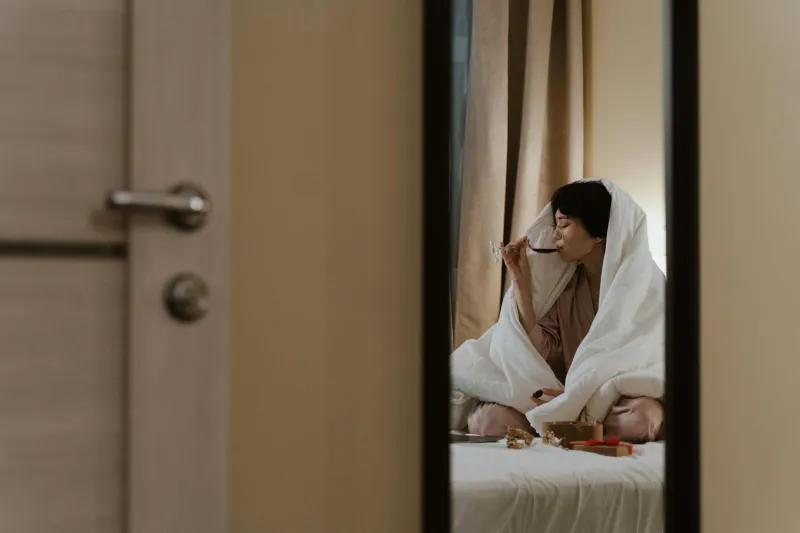
Every night across America, two groups of people are making opposite decisions about alcohol and sleep. One group pours a glass of wine or sips whiskey, convinced it's their ticket to dreamland. The other group carefully avoids any alcohol after 6 PM, having read that it's a sleep destroyer. Both groups think science backs them up.
The reality? Sleep researchers have been studying alcohol's effects on rest for decades, and their findings don't fit neatly into either camp's beliefs.
The Folk Wisdom That Actually Works (Sort Of)
Your grandmother wasn't completely wrong about that nightcap. Alcohol does have genuine sedative properties. When you drink, it enhances the activity of GABA, a neurotransmitter that helps your brain wind down. This is why a drink or two can make you feel drowsy and help you fall asleep faster.
Studies consistently show that alcohol reduces "sleep onset latency" — the time it takes to drift off. For people who struggle with racing thoughts at bedtime, this effect is real and measurable. The folk remedy has a scientific foundation.
But here's where the story gets complicated: falling asleep and sleeping well are two entirely different things.
Your Brain's Midnight Rebellion
What happens after you fall asleep tells a different story. As your body metabolizes alcohol — roughly one drink per hour — the sedative effects wear off. But instead of simply returning to normal, your brain often swings in the opposite direction.
This phenomenon, called "rebound alertness," typically kicks in during the second half of the night. Your sleep becomes fragmented. You wake up more frequently, even if you don't remember it the next morning. The deep, restorative stages of sleep get shortened.
Sleep researchers call this the "alcohol paradox" — it helps you get to sleep but undermines the quality of that sleep.
The Timing That Changes Everything
Here's where individual biology and timing become crucial. A drink with dinner at 6 PM affects your sleep differently than one at 10 PM. The earlier drink gives your body time to process most of the alcohol before you hit the pillow, minimizing the rebound effect.
Your size, metabolism, and drinking habits all influence how alcohol moves through your system. Some people metabolize alcohol faster than others. Regular drinkers develop tolerance, meaning they need more alcohol to feel the sedative effects — but the sleep disruption often remains.
Women generally process alcohol more slowly than men, meaning the same drink consumed at the same time is more likely to cause middle-of-the-night awakenings.
Why the Simple Story Stuck
So how did we end up with such polarized beliefs about alcohol and sleep? The answer lies in how different people experience and remember their sleep.
People who use alcohol as a sleep aid often focus on how quickly they fall asleep — and that part works. They may not notice or remember the fragmented sleep later in the night, especially if they're not tracking their sleep patterns carefully.
Meanwhile, the "alcohol ruins sleep" message gained traction because it's easier to communicate than the nuanced reality. Public health messaging tends to favor clear, simple guidelines over complicated explanations about timing and individual variation.
The Research That Complicates the Rules
Recent sleep studies have found that alcohol's effects vary dramatically based on several factors most people never consider:
Sleep debt: If you're severely sleep-deprived, alcohol's sedative effects might outweigh its disruptive ones in the short term.
Sleep disorders: People with certain types of insomnia may experience alcohol differently than good sleepers.
Age: Older adults are more sensitive to alcohol's sleep-disrupting effects, while younger people may bounce back more easily.
Stress levels: High stress can interact with alcohol to either amplify relaxation or worsen sleep fragmentation.
What This Means for Your Bedtime Routine
The science suggests that neither extreme position captures the full picture. A small amount of alcohol earlier in the evening might genuinely help some people wind down without significantly disrupting their sleep. But regular reliance on alcohol as a sleep aid often backfires over time.
The key insight from sleep researchers isn't to avoid alcohol entirely or to embrace it as a sleep solution. Instead, it's to pay attention to your own patterns. Do you fall asleep easily but wake up feeling unrested? Do you find yourself needing more alcohol over time to get the same sleepy feeling? These might be signs that the rebound effect is working against you.
The Takeaway
The next time someone tells you alcohol definitely helps or definitely hurts sleep, remember that sleep science rarely deals in absolutes. Your brain's response to that evening drink depends on your biology, your timing, and your overall sleep health — not on simple rules that treat everyone the same.
The most honest answer about alcohol and sleep might be the most unsatisfying one: it depends.