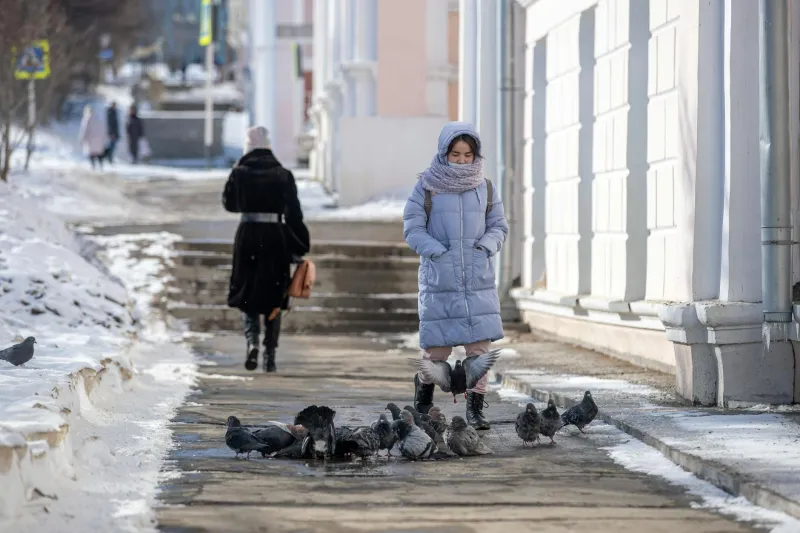
Every winter, the same scene plays out in households across America. Someone heads outside with wet hair or without a jacket, and a concerned voice calls out: "You're going to catch a cold!" The person leaving might roll their eyes, knowing that viruses — not temperature — cause illness. But deep down, even the eye-rollers often feel a twinge of worry.
That worry isn't entirely misplaced. Your mom's observation about cold weather and getting sick was actually spot-on. She just had the cause and effect backwards.
The Folk Wisdom That Refuses to Die
The belief that cold weather directly causes illness is one of the most persistent health myths in American culture. It survives despite decades of public health education about germs and viruses. Even people who can explain how the immune system works still find themselves reaching for a jacket "just in case."
This stubborn belief exists because it's based on a real pattern that people observe every year: cold weather arrives, and suddenly everyone seems to be sniffling, coughing, and calling in sick. The correlation is so consistent that it feels obvious that one causes the other.
But correlation and causation are two very different things.
What Actually Happens When It Gets Cold
The real story behind winter illness involves a complex web of factors that have nothing to do with temperature directly making you sick. When the weather turns cold, several things happen simultaneously that create perfect conditions for viruses to spread:
People spend more time indoors. Cold weather drives us into heated buildings, offices, and homes where we're packed closer together. Viruses spread much more easily in enclosed spaces with poor ventilation than they do outdoors where air circulation disperses infectious particles.
Humidity drops dramatically. Winter air, especially heated indoor air, becomes extremely dry. Low humidity affects your body's natural defenses in two ways: it dries out the mucous membranes in your nose and throat that normally trap viruses, and it allows virus particles to stay airborne longer.
Our behavior changes. We touch more surfaces (door handles, elevator buttons, handrails) as we move between indoor spaces. We're more likely to share enclosed vehicles. We attend more indoor gatherings and parties during holiday seasons.
The Immune System's Winter Challenges
Cold weather also affects your immune system, but not in the way most people think. You don't get sick because you got chilled — but being cold can make you more vulnerable to viruses you're already exposed to.
When your body temperature drops, even slightly, the blood vessels in your nose and upper respiratory tract constrict. This reduces the flow of white blood cells to those areas, temporarily weakening your local immune response. If a virus happens to land in your nose during this window, it might gain a foothold more easily.
Research has also shown that people tend to get less sleep and exercise during winter months, both of which can compromise immune function. Seasonal depression affects many Americans during darker months, and stress hormones can suppress immune responses.
Why the Wrong Explanation Stuck
So why did generations of Americans settle on the idea that cold air itself causes illness? The answer lies in how humans naturally think about cause and effect.
When two things happen close together in time — going outside without a coat and getting sick a few days later — our brains automatically assume one caused the other. This pattern-seeking behavior helped our ancestors survive, but it can lead us astray when the real causes are more complex.
The "cold causes colds" explanation is also appealingly simple. It suggests that illness is preventable through basic precautions like dressing warmly. This gives people a sense of control over their health, even if that control is largely illusory.
The Science That Settled the Question
Researchers have tested the cold-weather-causes-illness theory directly, and the results are remarkably consistent. In controlled studies, people exposed to cold temperatures — even to the point of mild hypothermia — don't get sick at higher rates unless they're also exposed to viruses.
One famous study from the 1950s had volunteers sit in cold rooms wearing wet socks and minimal clothing. Despite being thoroughly chilled, they didn't develop colds unless researchers also introduced cold viruses into their environment.
More recent research has confirmed these findings while revealing the indirect ways that cold weather does increase illness rates through the behavioral and environmental changes described above.
The Global Perspective That Clinches It
Perhaps the most convincing evidence comes from looking at illness patterns in different climates. If cold weather directly caused colds, we'd expect to see clear geographic patterns — more illness in colder places, less in warmer ones.
But that's not what happens. Tropical countries have cold and flu seasons too, often coinciding with rainy periods when people spend more time indoors. Arctic communities don't have higher baseline rates of respiratory illness than temperate ones. The pattern follows indoor crowding and low humidity more closely than it follows temperature.
What This Means for Winter Health
Understanding the real reasons behind winter illness suggests different prevention strategies than the ones many Americans grew up with. Instead of just bundling up, focus on:
Improving indoor air quality. Use humidifiers to combat dry winter air. Open windows periodically to improve ventilation, even in cold weather.
Practicing better hygiene. Wash hands frequently, especially after touching public surfaces. Avoid touching your face when you're out and about.
Supporting your immune system. Maintain regular sleep schedules, stay active, and manage stress during darker months.
Being strategic about social exposure. You don't need to become a hermit, but be thoughtful about spending time in crowded, poorly ventilated spaces during peak virus season.
The Takeaway
Your mother's warning about catching cold wasn't wrong — it was just incomplete. Cold weather really does increase your chances of getting sick, but not because the temperature itself is dangerous. The real culprits are the changes in behavior, environment, and physiology that cold weather triggers.
So the next time someone warns you to bundle up or you'll catch a cold, you can appreciate the wisdom behind the concern while understanding the science that explains why it actually works. Sometimes the right advice comes with the wrong explanation — and that's okay, as long as it keeps you healthy.