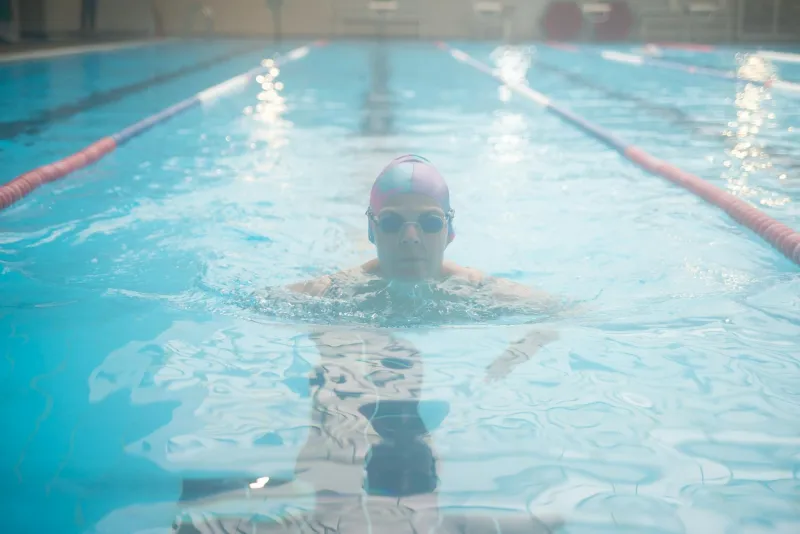
Most Drowning Happens While Someone Is Watching — And They Don't Even Know It
When most people picture drowning, they imagine someone alone in deep water, arms flailing wildly above the surface, desperately calling for help. It's a scene burned into our collective consciousness by movies and TV shows. But this Hollywood version of drowning has created one of the most dangerous misconceptions about water safety.
The reality is far more unsettling: drowning typically happens in plain sight, often with multiple people nearby who have absolutely no idea what they're witnessing.
The Silent Reality of Drowning
Real drowning looks nothing like the movies. There's no splashing, no screaming, no dramatic arm waving. Instead, drowning is what water safety experts call "the instinctive drowning response" — and it's almost eerily quiet.
When someone is actually drowning, their mouth alternately sinks below and reappears above the surface of the water. When it's above water, there isn't enough time to exhale, inhale, and call for help. Their arms instinctively press down on the water's surface, trying to leverage their bodies up to get another breath. They can't wave for help because their survival instincts have taken over.
Most shocking of all: this happens in shallow water. According to the CDC, about 70% of drowning incidents occur in water that's less than four feet deep. Pool drownings often happen within 20 feet of safety, frequently with lifeguards on duty and parents watching nearby.
Why Our Brains Miss the Signs
The human brain is wired to recognize patterns, and we've been trained to look for the wrong pattern when it comes to drowning. We expect distress to be loud and obvious. When someone is quietly struggling in the water, our brains categorize it as "playing" or "treading water."
This misunderstanding has deadly consequences. Mario Vittone, a former Coast Guard rescue swimmer, describes watching people drown while others swim and play just feet away. "They're vertical in the water, their heads tilted back with their mouths at water level," he explains. "To most observers, this looks like someone just floating or playing in the water."
The misconception runs so deep that even trained lifeguards can miss it. A 2017 study found that lifeguards correctly identified drowning scenarios only 68% of the time when shown video footage — meaning nearly one in three actual drowning situations went unrecognized.
The 'Swimming Alone' Rule Misses the Point
The traditional water safety advice — "never swim alone" — addresses the wrong problem. It assumes drowning is an obvious emergency that someone nearby will recognize and respond to. But when drowning is silent and easily mistaken for normal water activity, having people around doesn't automatically make you safer.
This false sense of security might actually increase risk. Parents at busy pools often relax their vigilance because "there are so many people around" or "the lifeguard is watching." But those people and that lifeguard might not recognize drowning any better than the parent would.
What Actually Matters for Water Safety
Real water safety isn't about avoiding being alone — it's about situational awareness and recognizing the actual signs of distress. Here's what to watch for:
- Someone vertical in the water with their head tilted back
- Mouth at water level, alternately submerging and reappearing
- Eyes glassy and empty, unable to focus
- Hair over forehead or eyes
- Trying to swim in a particular direction but making no forward progress
- Attempting to roll over onto their back
The most important factor isn't the number of people around — it's whether those people know what drowning actually looks like and are actively watching for it.
Why This Misconception Persists
The dramatic version of drowning persists because it feels more logical. We expect emergencies to be obvious, and we expect people in distress to be able to communicate that distress. The idea that someone could drown silently while others watch challenges our assumptions about how emergencies unfold.
Media representations reinforce this misconception because silent drowning doesn't make for compelling television. The real thing is too subtle, too easily missed — which is exactly why it's so dangerous.
Pool safety campaigns often focus on rules like "no running" or "swim with a buddy," but rarely teach people what drowning actually looks like. This leaves well-intentioned bystanders unprepared to recognize the emergency happening right in front of them.
The Takeaway
The next time you're around water — whether it's a pool party, a day at the beach, or your kid's swimming lesson — remember that drowning doesn't announce itself. It happens quietly, quickly, and often in shallow water with people nearby.
The person who could save a life isn't necessarily the strongest swimmer or the most experienced lifeguard. It's the person who knows what to actually look for and takes the time to really watch, not just glance occasionally while chatting with friends.
Water safety isn't about following old rules that address yesterday's understanding of the problem. It's about updating our knowledge to match the reality of how drowning actually happens — and teaching others to recognize the signs that Hollywood never showed us.