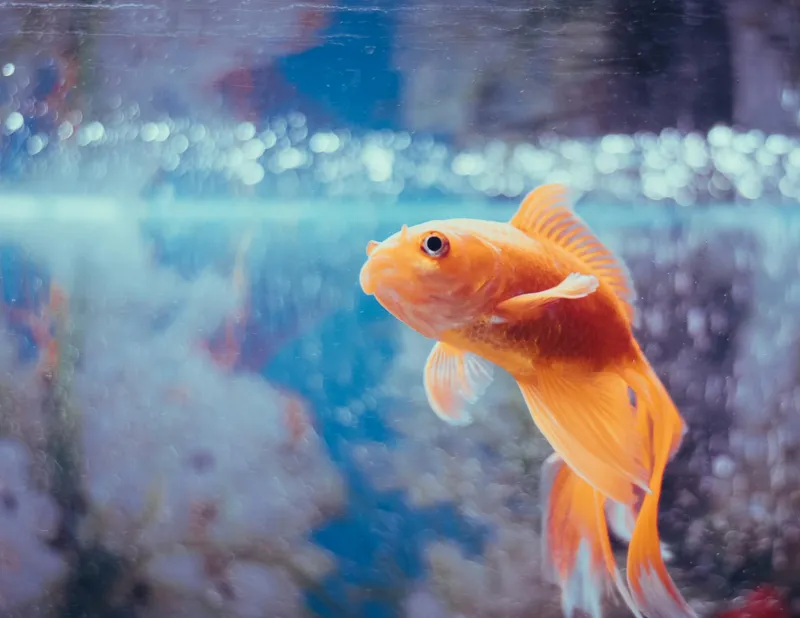
The Myth Everyone Knows by Heart
Walk into any pet store, mention goldfish at a dinner party, or watch a kid stare into a fishbowl, and you'll hear it within minutes: "Goldfish only have a three-second memory." It's delivered with the confidence of someone reciting basic math facts. Parents use it to console children when pet goldfish die. Comedy writers lean on it for easy punchlines. Even marine biology students have been known to repeat it without thinking twice.
The problem? It's completely wrong.
What Scientists Actually Discovered
Researchers have been studying goldfish cognition for decades, and their findings paint a dramatically different picture. In controlled laboratory settings, goldfish consistently demonstrate memory capabilities that span weeks and even months — not seconds.
Dr. Phil Gee at the University of Plymouth trained goldfish to navigate mazes, respond to different colored lights, and recognize feeding schedules. His subjects remembered these learned behaviors for at least three months, the duration of his study period. Other researchers have documented goldfish recognizing human faces, learning to avoid areas where they previously encountered mild electric shocks, and adapting their behavior based on seasonal changes in their environment.
 Photo: Dr. Phil Gee, via i.ytimg.com
Perhaps most impressive: goldfish in outdoor ponds demonstrate sophisticated seasonal memory. They remember where food sources appeared during previous summers and adjust their swimming patterns accordingly when warm weather returns.
The Real Science Behind Fish Memory
Goldfish brains contain structures analogous to the hippocampus in mammals — the region responsible for forming and storing memories. While their brains are obviously much smaller than human brains, the basic neurological machinery for memory formation is present and functional.
Marine biologists have identified that goldfish can form both short-term memories (lasting minutes to hours) and long-term memories (lasting weeks to months). They can learn to associate specific sounds with feeding time, recognize individual humans who regularly feed them, and even learn simple tricks when training is consistent.
The three-second claim doesn't just underestimate goldfish capabilities — it fundamentally misunderstands how memory works in virtually all vertebrate animals.
Where the Myth Actually Came From
Tracing the origin of the three-second memory claim proves surprisingly difficult. Unlike many scientific myths that can be traced to misinterpreted studies or outdated research, this particular belief appears to have emerged from popular culture rather than scientific literature.
Some researchers theorize it originated as a marketing strategy by pet store owners who wanted to minimize customer guilt about keeping fish in small bowls. If goldfish couldn't remember being in a larger environment, the reasoning went, then cramped conditions wouldn't cause psychological distress.
Others point to the general tendency to underestimate the cognitive abilities of animals that don't express emotions in ways humans easily recognize. Fish don't have facial expressions, don't make sounds of distress that mammals can interpret, and don't display obvious signs of boredom or frustration.
Why This Myth Refuses to Die
The three-second memory claim persists because it serves multiple psychological functions for humans. It makes people feel better about keeping fish in small tanks. It provides a simple explanation for why goldfish seem to swim in repetitive patterns. It offers an easy metaphor for forgetfulness in human conversation.
The myth also benefits from what psychologists call "confirmation bias." Once people believe goldfish have no memory, they interpret normal fish behavior through that lens. A goldfish swimming the same route multiple times isn't demonstrating learned navigation patterns — it's "forgetting" where it just swam.
The Bigger Picture About Animal Intelligence
The goldfish memory myth reflects broader human tendencies to underestimate animal cognition. For decades, scientists assumed that complex behaviors like problem-solving, emotional responses, and long-term planning were uniquely human traits.
Recent research has consistently challenged these assumptions. Crows use tools and plan for future events. Elephants demonstrate self-awareness and grief. Even honeybees can learn abstract concepts and communicate complex information to their hives.
Goldfish, it turns out, are just another example of animals whose cognitive abilities far exceed popular assumptions.
What This Means for Pet Owners
If goldfish actually have functioning memories lasting months, the implications for pet care become significant. Traditional fishbowls provide inadequate space for animals capable of learning and remembering their environments. Goldfish benefit from environmental enrichment — varied decorations, consistent feeding schedules, and tank mates for social interaction.
Some aquarium enthusiasts have started training their goldfish to swim through hoops, recognize different colored targets, and even play simple games. These activities aren't just entertainment — they're recognition that goldfish are intelligent animals capable of learning and growth.
The Takeaway
The next time someone confidently states that goldfish have three-second memories, you'll know they're repeating one of the most persistent myths in popular science. Real goldfish live complex cognitive lives, forming memories that last months and learning behaviors that demonstrate genuine intelligence.
It's a reminder that our assumptions about animal intelligence often say more about human biases than animal capabilities. Sometimes the most confidently repeated "facts" are the ones most worth questioning.