Opening Windows During Tornadoes: The Safety Myth That Wastes Life-Saving Seconds
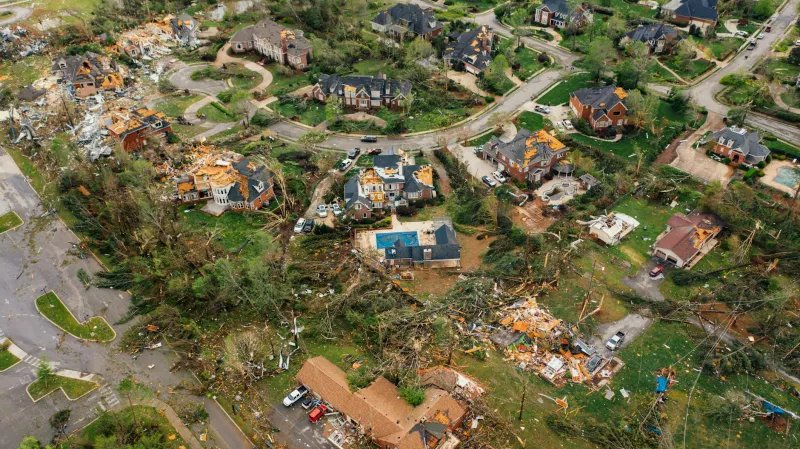
The Tornado Advice That Still Gets Passed Down
When tornado sirens wail across the Midwest, thousands of Americans still rush to crack open windows before heading to safety. The logic seems sound: equalize air pressure between inside and outside to prevent your house from exploding like a balloon. It's advice that gets handed down from parents to children, shared between neighbors, and sometimes even mentioned in older emergency guides.
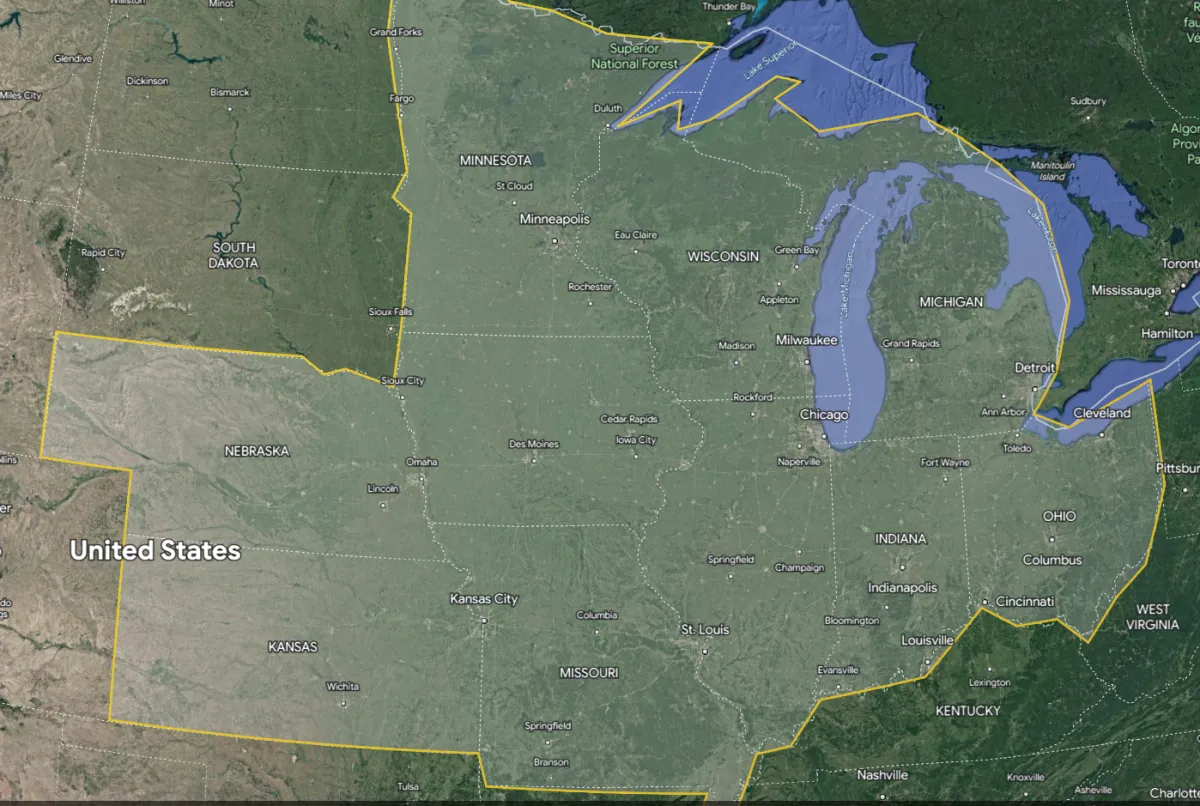 Photo: the Midwest, via parktripsandmore.com
But storm researchers have a message for anyone still following this protocol: stop. You're wasting the most critical resource you have during a tornado — time.
Where the Window Myth Started
The idea that homes explode from pressure differences during tornadoes emerged from early 20th-century observations. After devastating storms, investigators found houses that appeared to have burst outward, with roofs blown off and walls collapsed from the inside. The explanation seemed obvious: the tornado's low pressure had created a vacuum effect, causing normal indoor air pressure to literally explode the structure from within.
This theory gained credibility because it offered a simple mechanical explanation for dramatic destruction. It also provided people with something concrete they could do — opening windows felt like taking control in an uncontrollable situation.
The advice became so entrenched that it appeared in emergency preparedness materials, school safety drills, and family tornado plans across tornado-prone regions. Even some early National Weather Service communications included window-opening recommendations.
 Photo: National Weather Service, via i.iheart.com
What Actually Destroys Houses in Tornadoes
Modern tornado research tells a completely different story about how these storms damage buildings. The culprit isn't pressure differences — it's wind.
Tornadoes generate winds that can exceed 300 mph, creating forces that no residential structure can withstand. When these winds hit a house, they don't create a gentle pressure imbalance. They assault the building with massive, rapidly changing forces that tear apart roofs, walls, and foundations through sheer mechanical stress.
The "explosion" effect that early observers noticed actually comes from wind getting inside the house through broken windows, damaged doors, or compromised roofing. Once inside, the wind has nowhere to go and creates destructive pressure that blows out walls and lifts off roofs. But this happens because the building envelope has already been breached by wind damage, not because of pressure differences.
Dr. Ted Fujita, the meteorologist who created the tornado rating scale, spent decades studying tornado damage patterns. His research consistently showed that wind speed, not pressure differentials, determines destruction levels. Houses don't explode from pressure — they get ripped apart by wind.
 Photo: Dr. Ted Fujita, via d3qi0qp55mx5f5.cloudfront.net
The Pressure Problem That Doesn't Exist
Even if pressure differences were the main concern, opening a few windows wouldn't solve the problem. The pressure drop in a tornado's center can be significant — equivalent to being suddenly transported from sea level to 10,000 feet elevation. But residential windows simply don't provide enough opening to equalize pressure quickly during a tornado's rapid passage.
Worse, opening windows may actually increase damage by giving wind an easier entry point into your home. A house with all windows and doors closed presents a more unified barrier against tornado winds than one with intentional openings.
Meteorologists have tested this theory using computer models and wind tunnels. The results consistently show that opening windows provides no protection against tornado damage and may actually make destruction worse.
The Seconds That Actually Save Lives
While people waste time opening windows, the tornado is getting closer. In strong tornadoes, you typically have only minutes — sometimes less — between when a warning is issued and when the storm arrives.
Those precious seconds spent cracking windows should instead be used getting to the safest possible location: a basement, interior room on the lowest floor, or purpose-built safe room. Every moment spent on window duty is a moment not spent protecting yourself from the real danger.
Storm spotters and emergency management officials report that the window myth has directly contributed to injuries and deaths. People delay seeking shelter to open windows, or they expose themselves to flying debris while moving around their house during the storm's approach.
Why the Myth Persists
Despite decades of scientific debunking, the window-opening advice continues spreading. Part of the problem is that tornado safety education varies widely across different regions and institutions. Some areas have updated their guidance based on current research, while others still reference older materials.
The myth also persists because it provides psychological comfort. Tornadoes represent a complete loss of control over your environment, and opening windows feels like taking meaningful action. It's easier to accept advice that gives you something to do than guidance that essentially says "hide and hope."
Social media has given the myth new life, with well-meaning people sharing tornado safety tips that include window-opening advice. These posts often go viral during tornado season, reaching thousands of people with outdated information.
What Storm Experts Want You to Do Instead
The National Weather Service's current tornado safety guidance is straightforward: get to your safe place immediately when a tornado warning is issued for your area. Don't stop to open windows, don't try to outrun the storm in a vehicle, and don't waste time gathering belongings.
If you're in a house, go to the basement if you have one. If not, get to an interior room on the lowest floor — ideally a bathroom or closet near the center of the house. Stay away from windows and protect your head and neck with whatever's available.
The goal is simple: put as many walls as possible between yourself and the tornado's winds, and do it as quickly as possible.
The next time severe weather threatens your area, remember that modern tornado research has given us much better understanding of these storms than previous generations had. The window advice might have made sense based on limited 1950s knowledge, but today's meteorologists know better — and they want you to stay alive long enough to benefit from that knowledge.