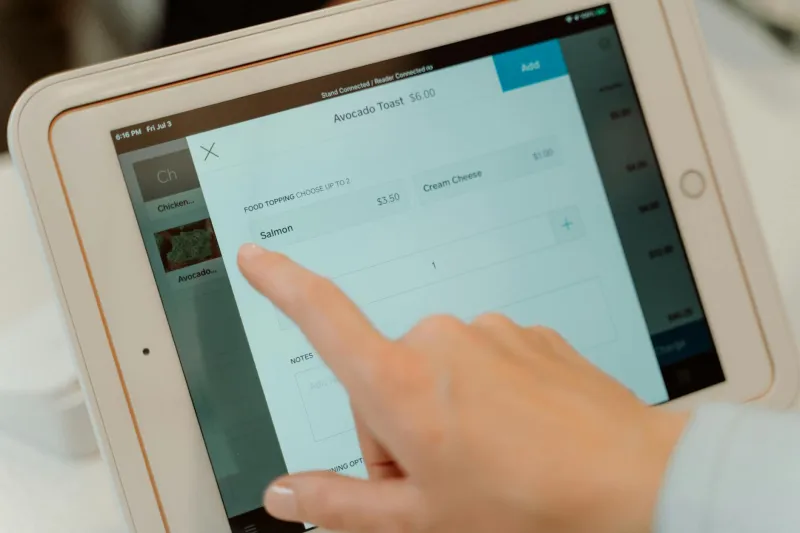
Standing at a coffee counter, staring at a tablet screen with three tipping options — 18%, 20%, and 25% — many Americans feel a familiar pang of social anxiety. Skip the tip and risk seeming cheap? Choose 20% for a $6 latte and wonder when coffee became a full-service experience?
What most people don't realize is that the percentage they're agonizing over isn't some time-honored American tradition. The 20% standard that feels like an unbreakable social contract has surprisingly recent and decidedly commercial origins.
When 15% Was Plenty
For most of the 20th century, a 15% tip was considered generous at American restaurants. Etiquette guides from the 1970s and 1980s consistently recommended 10-15% for good service, with 20% reserved for truly exceptional experiences.
This wasn't just frugal advice — it reflected the economic reality of the time. Restaurant prices were lower relative to wages, and tipping was primarily limited to full-service establishments where servers provided extended, personalized service.
So what changed? The answer involves a perfect storm of technological shifts, industry lobbying, and psychological manipulation that gradually moved the goal posts without most Americans noticing.
The Digital Nudge
The rise of point-of-sale systems fundamentally altered tipping behavior in ways that most consumers never consciously recognized. When Square launched its iconic white card reader in 2010, it included default tipping options that subtly pushed percentages upward.
Those three buttons on the screen weren't randomly chosen. Behavioral economists call this "anchoring" — presenting options that make the middle choice seem reasonable by comparison. When the options are 15%, 20%, and 25%, suddenly 20% feels like the moderate, socially acceptable choice.
Even more influential was the decision to calculate tips on the post-tax total rather than the pre-tax amount — a change that happened gradually as digital systems became the norm. This shift alone increased average tips by roughly 8-10% without most customers realizing it.
The Expansion Beyond Restaurants
Perhaps the most dramatic change has been the spread of tipping prompts to businesses that never traditionally expected tips. Coffee shops, food trucks, retail stores, and even self-service kiosks now present customers with tipping screens.
This expansion didn't happen organically. Payment processing companies actively marketed tipping features to business owners, promising increased revenue. A 2019 industry report found that businesses using digital tipping prompts saw their tip income increase by an average of 30-50%.
The psychology is simple but effective: faced with a screen asking for a tip, customers often comply rather than navigate the social awkwardness of selecting "no tip" while an employee watches.
The Restaurant Industry's Role
Meanwhile, the restaurant industry has actively lobbied to maintain and expand the "tipped minimum wage" — currently $2.13 per hour at the federal level. This creates a system where restaurants can shift labor costs directly to customers while maintaining the appearance of lower menu prices.
Industry associations have spent decades promoting higher tipping percentages through training materials, media campaigns, and partnerships with etiquette experts. The National Restaurant Association's guidelines have steadily crept upward, from recommending 15% in the 1990s to suggesting 18-20% today.
This isn't conspiracy — it's business strategy. Higher expected tips allow restaurants to keep menu prices lower, making them appear more competitive while maintaining the same profit margins.
The Social Pressure Machine
What makes the current tipping system particularly effective is how it's wrapped in the language of social responsibility and worker support. Customers who question rising tip expectations are often labeled as cheap or uncaring about service workers' welfare.
This framing obscures the fact that the current system primarily benefits business owners, not workers. Countries with higher base wages and minimal tipping often provide better overall compensation for service workers, without placing the burden on individual customer transactions.
The International Perspective
Most developed countries operate with fundamentally different service models. In Japan, tipping can actually be considered insulting. In Australia, servers earn a living wage and tips are truly optional. In many European countries, a 5-10% tip is considered generous.
These aren't cultures that don't value good service — they've simply structured their service industries differently. American-style tipping is actually the global exception, not the rule.
The Real Cost of Tip Inflation
The steady increase in expected tipping percentages has real economic consequences. For a family that dines out regularly, the difference between 15% and 20% tips adds up to hundreds of dollars annually. For lower-income Americans, this "tip inflation" can make dining out prohibitively expensive.
Meanwhile, the unpredictability of tip-based income creates financial instability for workers, making it difficult to budget or qualify for loans. The system that's supposed to reward good service often penalizes workers during slow periods or economic downturns.
The Takeaway
The next time you're staring at those three percentage options on a payment screen, remember that someone chose those numbers for you. The 20% that feels like a moral imperative is actually the result of decades of gradual conditioning by industries that benefit from higher tips.
This doesn't mean you should never tip generously or that service workers don't deserve fair compensation. It means understanding that the guilt you feel about tipping "only" 15% is largely manufactured, and the social pressure you experience has commercial origins.
Real change in tipping culture will likely require systemic shifts — higher base wages, transparent pricing, or cultural movements away from tip-dependent service models. Until then, at least you'll know that the number on that screen wasn't handed down from some ancient tradition of American generosity. It was programmed by someone with a very specific agenda.