The Vitamin C Cure That Isn't: Why Orange Juice Won't Actually Save You From Your Cold
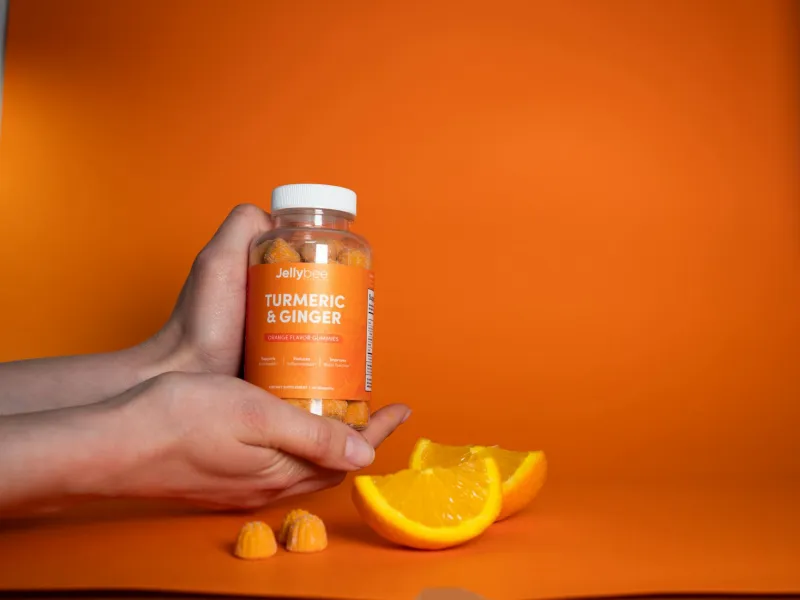
The Moment You Feel That Scratch in Your Throat
You know the drill. That familiar tickle hits, and suddenly you're standing in the juice aisle, grabbing the biggest container of orange juice you can find. Maybe you're even reaching for those expensive vitamin C tablets that promise to deliver 1000% of your daily value. After all, everyone knows vitamin C fights colds, right?
This belief runs so deep in American culture that it feels like common sense. But the science tells a different story—one that's been quietly accumulating for decades while most of us kept chugging orange juice and popping vitamin supplements.
Where This All Started: The Linus Pauling Effect
The vitamin C-cures-everything movement didn't emerge from ancient folk wisdom. It has a specific origin point: Nobel Prize winner Linus Pauling and his 1970 book "Vitamin C and the Common Cold." Pauling argued that massive doses of vitamin C—far beyond what you'd get from food—could prevent and treat colds.
Pauling's credentials were impressive. He'd already won Nobel Prizes in Chemistry and Peace. When someone of that caliber makes health claims, people listen. His book became a bestseller, and suddenly Americans were convinced that loading up on vitamin C was the key to staying healthy.
The problem? Pauling's claims were based on limited evidence and his own personal experiences rather than rigorous clinical trials. But by the time the scientific community caught up with proper studies, the belief had already taken root.
What the Research Actually Shows
Since Pauling's bold claims, researchers have conducted dozens of controlled studies on vitamin C and colds. The results are consistently underwhelming.
The most comprehensive reviews show that for most people, taking vitamin C supplements doesn't prevent colds. At all. If you're already getting adequate vitamin C from your diet—which most Americans are—extra vitamin C won't create some kind of immune system force field.
There are exactly two scenarios where vitamin C supplementation shows modest benefits: if you're regularly exposed to extreme physical stress (think marathon runners or soldiers in harsh conditions), or if you're severely deficient in vitamin C to begin with. For the average person dealing with a typical cold, the evidence just isn't there.
Even more telling: when researchers look at vitamin C's effect on cold duration, they find that regular supplementation might—might—reduce cold symptoms by about half a day. We're talking about shaving 12 hours off a week-long cold, not the dramatic recovery people expect.
The Orange Juice Industry's Perfect Storm
Here's where things get interesting from a marketing perspective. Pauling's vitamin C theory arrived at exactly the right moment for orange juice producers. Americans were already drinking orange juice, but now they had a medical reason to drink even more.
Orange juice companies didn't need to make explicit health claims—they could simply highlight their vitamin C content and let consumers connect the dots. Marketing campaigns started emphasizing vitamin C percentages, and orange juice became positioned as liquid medicine rather than just breakfast.
This created a perfect feedback loop. People believed vitamin C fought colds, orange juice was high in vitamin C, so orange juice became the go-to cold remedy. The more people reached for OJ when sick, the more it reinforced the belief that vitamin C was essential for fighting illness.
Why Your Body Doesn't Work Like a Vitamin C Tank
The fundamental flaw in the "more vitamin C equals better immunity" logic lies in how your body actually processes this nutrient. Vitamin C is water-soluble, which means your body can't store excess amounts. When you flood your system with vitamin C—whether through orange juice or supplements—you literally pee out what you don't immediately need.
Your immune system is also far more complex than a simple vitamin deficiency problem. It involves multiple types of white blood cells, antibodies, and intricate cellular processes. The idea that loading up on one vitamin can supercharge this entire system oversimplifies how immunity actually works.
Think of it this way: if your car's oil level is adequate, adding more oil won't make your engine run better. Your immune system operates on similar principles—it needs adequate vitamin C to function properly, but extra vitamin C doesn't translate to extra immune power.
The Real Story About Vitamin C and Your Health
Vitamin C does play important roles in immune function, but its job is more about maintenance than acute treatment. It helps white blood cells function properly and supports the barriers that keep pathogens out of your body. But there's a big difference between "supports normal immune function" and "fights off your current cold."
Most Americans already get plenty of vitamin C from their regular diet. Fruits, vegetables, and even many processed foods contain adequate amounts. The dramatic vitamin C deficiency disease called scurvy is virtually nonexistent in developed countries because our food supply naturally provides what we need.
What Actually Helps When You're Sick
If orange juice isn't the answer, what should you reach for when you feel a cold coming on? The evidence points to much more basic interventions: adequate sleep, staying hydrated with any fluids (not specifically vitamin C-rich ones), and washing your hands frequently.
Some research suggests that zinc supplements might modestly reduce cold duration if taken within 24 hours of symptom onset. But even zinc's effects are relatively small compared to what most people hope for from supplements.
The Takeaway: Support vs. Cure
The vitamin C myth persists because it contains a kernel of truth wrapped in oversimplified logic. Vitamin C does support immune function—but supporting something that's already working fine doesn't create superhuman resistance to viruses.
Next time you feel that familiar throat scratch, save your money on expensive orange juice and vitamin supplements. Your body already knows how to fight off most colds, and it doesn't need a vitamin C overdose to do its job. Sometimes the most powerful medicine is simply letting your immune system work while you rest, hydrate, and wait it out.