Belief Report What You Know Might Surprise You

Belief Report

What You Know Might Surprise You

Latest Articles

The Vitamin C Cure That Isn't: Why Orange Juice Won't Actually Save You From Your Cold
Health

The Vitamin C Cure That Isn't: Why Orange Juice Won't Actually Save You From Your Cold

For decades, Americans have reached for orange juice at the first sign of a sniffle, convinced that vitamin C can knock out a cold. The reality is far more complicated than what Linus Pauling promised in the 1970s.


Your Brain Keeps Lying to You About How Good You Are at Multitasking
Technology

Your Brain Keeps Lying to You About How Good You Are at Multitasking

Most people believe they're skilled multitaskers, juggling emails, calls, and projects with impressive efficiency. But decades of cognitive research reveal that what feels like doing multiple things at once is actually your brain frantically switching between tasks—and paying a hidden price for it.

Those Food Dates Don't Mean What You've Been Taught to Think They Mean
Health

Those Food Dates Don't Mean What You've Been Taught to Think They Mean

Americans throw away 80 billion pounds of food every year, largely because we misunderstand what those printed dates actually tell us. The truth about 'best by' and 'sell by' labels reveals a system designed more for business than safety.

When Doctors Sold Cigarettes: The Marketing Scam That Hijacked America's Trust in Medical Advice
Health

When Doctors Sold Cigarettes: The Marketing Scam That Hijacked America's Trust in Medical Advice

For decades, cigarette companies plastered doctors' faces on ads claiming smoking was healthy. The real story reveals how industries learned to weaponize medical authority — and why we're still falling for the same tricks today.

The Swimming Rule Your Parents Swore By Has Zero Scientific Backing
Health

The Swimming Rule Your Parents Swore By Has Zero Scientific Backing

Generations of American kids have been forced to wait poolside after lunch, but the swimming-after-eating rule that dominated childhood summers was built on fear, not facts. The real story behind this persistent myth reveals how parental caution can transform minor biological processes into major safety scares.

The Morning Meal That Built an Empire: How Cereal Companies Convinced America That Breakfast Rules Everything
Health

The Morning Meal That Built an Empire: How Cereal Companies Convinced America That Breakfast Rules Everything

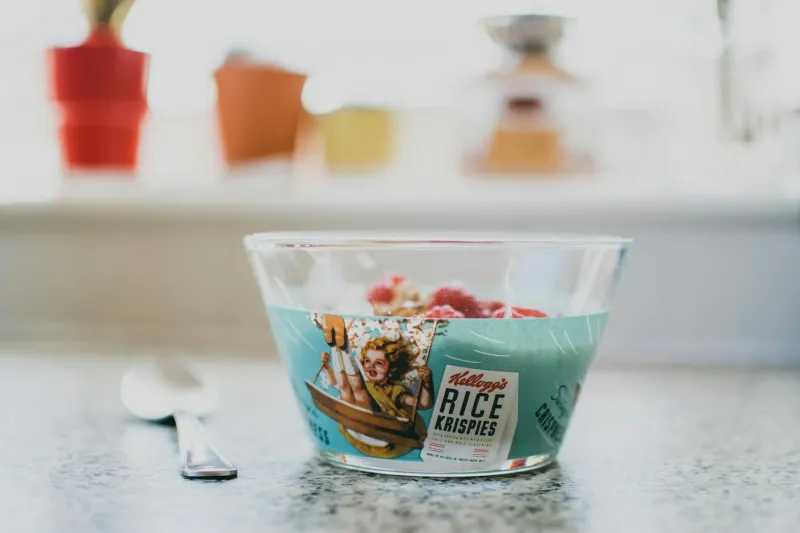
For generations, Americans have been told that breakfast is the most important meal of the day. But this seemingly timeless health wisdom actually started as a marketing slogan from cereal companies in the early 1900s, not medical advice.

Science Has Tested the Sugar-Hyperactivity Link Over and Over. The Results Keep Coming Back the Same.
Health

Science Has Tested the Sugar-Hyperactivity Link Over and Over. The Results Keep Coming Back the Same.

Ask almost any American parent and they'll tell you with total confidence: sugar makes kids hyper. It's one of the most universally accepted parenting truths in the country. The only problem is that decades of controlled research haven't been able to find any evidence that it's actually true.

The Left Brain / Right Brain Divide Feels Real. Brain Scans Tell a More Interesting Story.
Technology

The Left Brain / Right Brain Divide Feels Real. Brain Scans Tell a More Interesting Story.

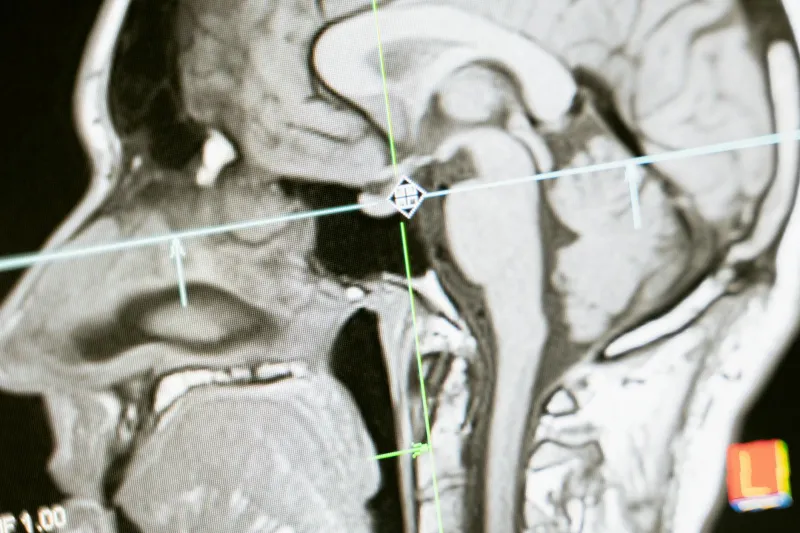
The idea that logical people are left-brained and creative people are right-brained has shaped personality quizzes, corporate training programs, and casual self-description for decades. Neuroscientists, armed with modern brain imaging, have a different take — and it fundamentally changes how we should think about human cognition.

Dropping Food on the Floor? The Five-Second Rule Was Never Protecting You
Health

Dropping Food on the Floor? The Five-Second Rule Was Never Protecting You

Generations of Americans have invoked the five-second rule to rescue a fallen chip or slice of toast, treating it like some unofficial law of kitchen physics. But microbiologists have a pretty clear answer: bacteria don't wait. Here's what actually happens the moment food meets the floor.

Chasing 850: The Credit Score Obsession That's Costing You More Than You Realize
Technology

Chasing 850: The Credit Score Obsession That's Costing You More Than You Realize

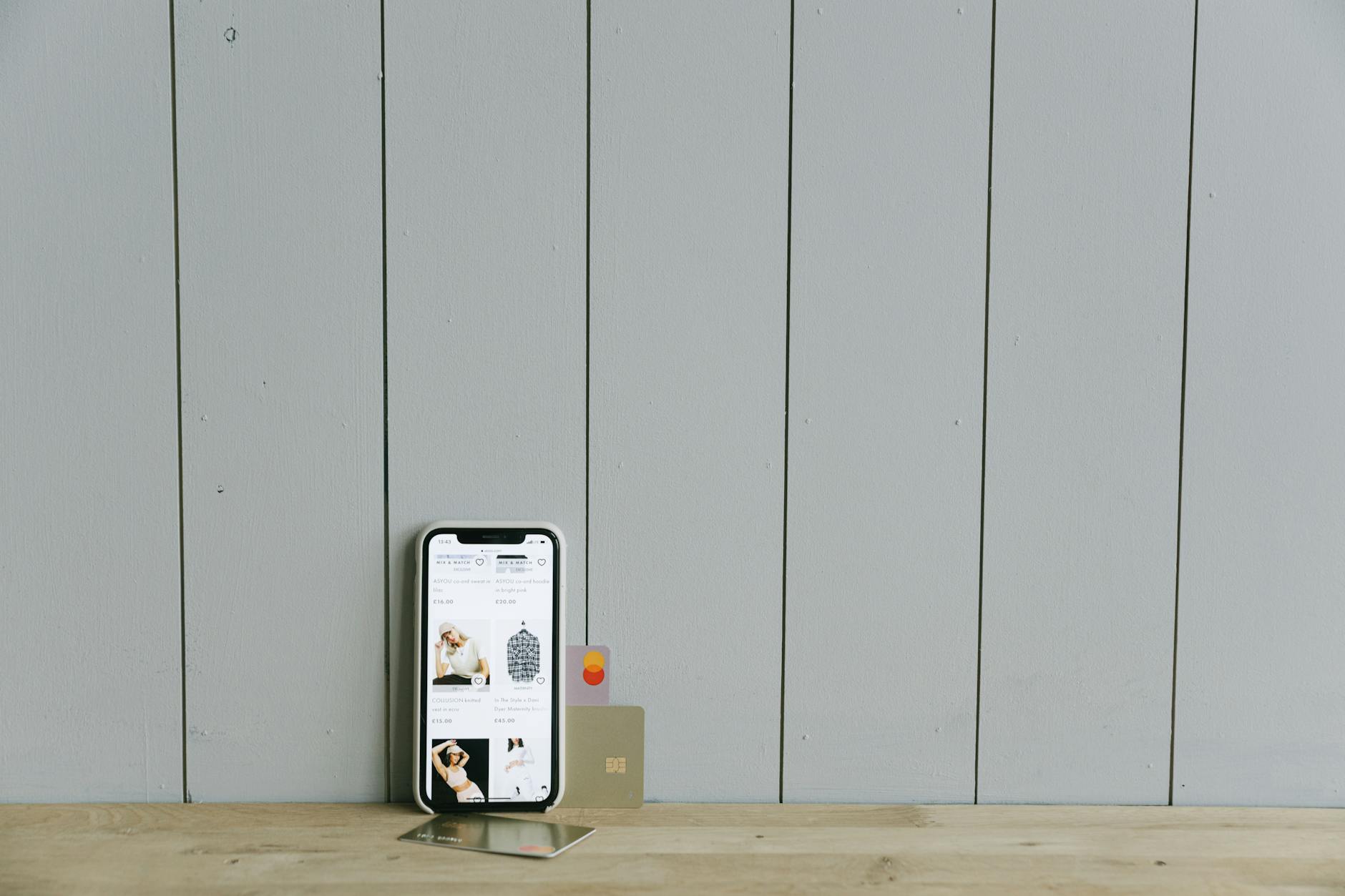
Tens of millions of Americans track their credit scores like a second job, convinced that a higher number means meaningfully better loan terms. But financial experts say the score you see online may not even be the one your lender checks — and the difference between a 790 and a perfect 850 is almost certainly worth less than you think.

Eight Glasses a Day: The Health Rule That Was Never Actually a Rule
Health

Eight Glasses a Day: The Health Rule That Was Never Actually a Rule

For generations, Americans have been told to drink eight glasses of water every single day. It's repeated by doctors, printed on water bottles, and taught in schools — yet nutrition researchers say the number was never derived from a clinical study and doesn't apply to most people in most situations.

The 20-Second Rule Changed Everything We Thought We Knew About Washing Our Hands
Health

The 20-Second Rule Changed Everything We Thought We Knew About Washing Our Hands

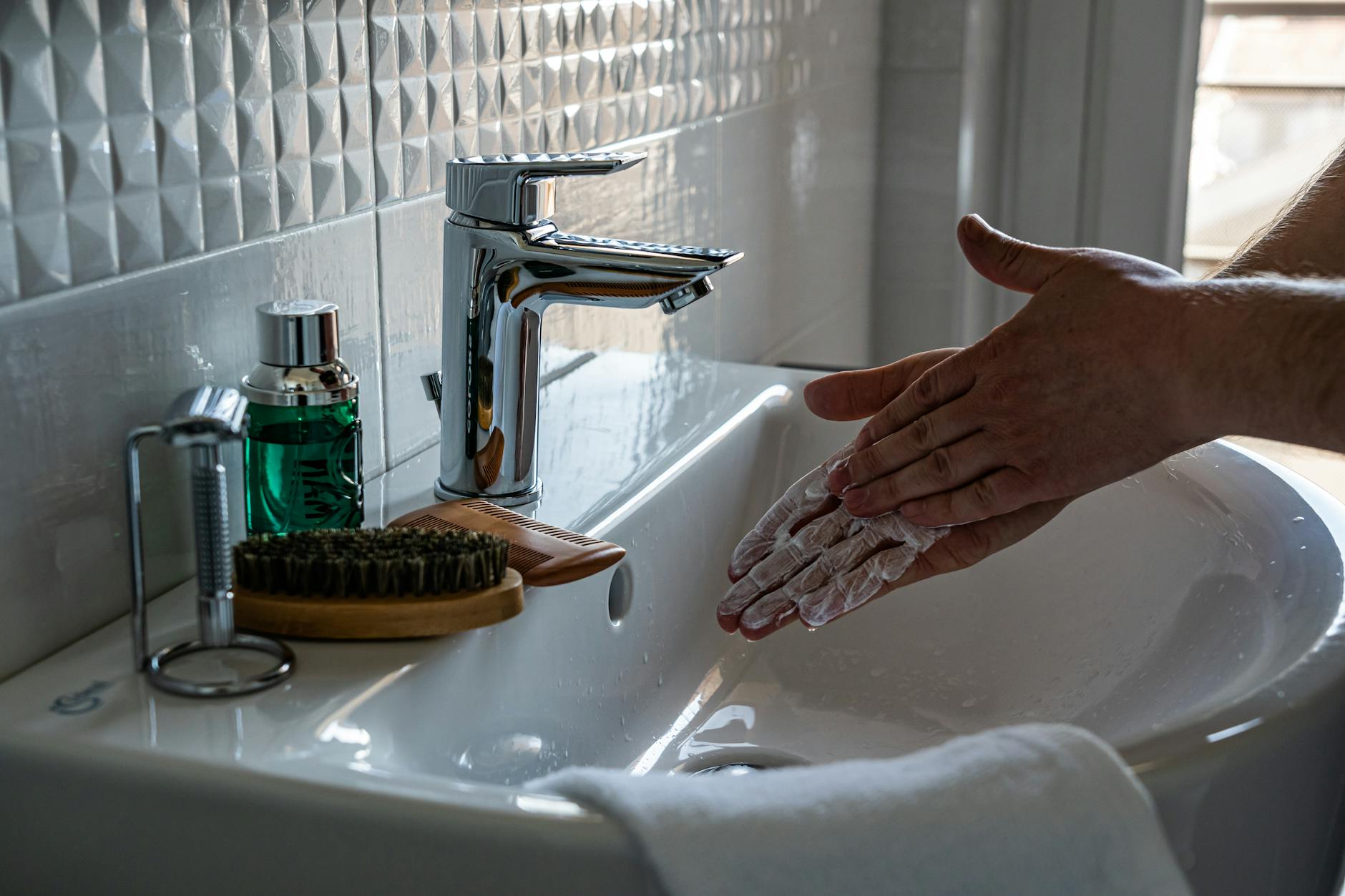
Most of us grew up thinking a quick lather and rinse was enough to keep germs at bay. Turns out, the way you wash your hands matters far more than whether you wash them at all — and the antibacterial soap you've been reaching for probably isn't doing what you think.

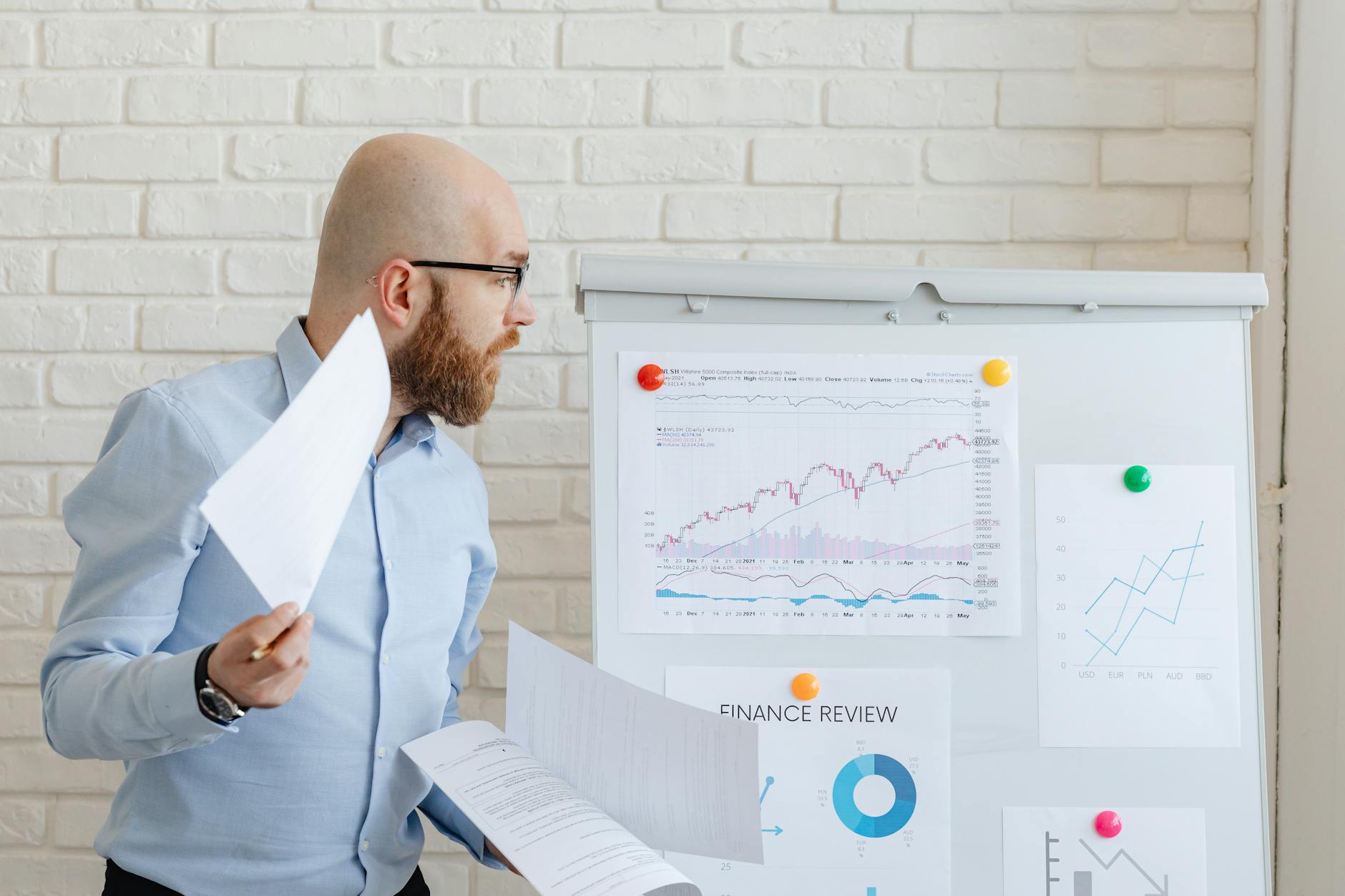
The Stock Market Is Hitting Record Highs — So Why Does Your Financial Life Feel Nothing Like That?
Technology

The Stock Market Is Hitting Record Highs — So Why Does Your Financial Life Feel Nothing Like That?

Americans are conditioned to treat a booming stock market as proof that the economy is doing well. But economists have a more complicated story to tell — one that explains why Wall Street and Main Street so often seem to be living in completely different realities.

You've Heard That Humans Only Use 10 Percent of Their Brains. Neuroscientists Have Thoughts About That.
Technology

You've Heard That Humans Only Use 10 Percent of Their Brains. Neuroscientists Have Thoughts About That.

The idea that we're only tapping a fraction of our brain's potential has fueled self-help empires and Hollywood blockbusters for decades. The problem? Modern neuroscience says it's not even close to true — and the real story of how your brain actually works is far more interesting.

That Rule About Drinking Eight Glasses of Water a Day? It Was Never Really a Rule
Technology

That Rule About Drinking Eight Glasses of Water a Day? It Was Never Really a Rule

For decades, Americans have treated eight glasses of water a day like a medical commandment. The surprising truth is that this number was never based on universal science — and your body may already be handling things just fine without a tally sheet.

One of America's Most Repeated Sayings Gets Lightning Completely Backwards
Technology

One of America's Most Repeated Sayings Gets Lightning Completely Backwards

"Lightning never strikes the same place twice" is one of those phrases Americans grow up hearing as if it were a law of nature. It isn't — and in fact, lightning does the exact opposite. The Empire State Building gets hit around 20 to 25 times a year, and the physics explain exactly why.

Your Body Already Knows How Much Water You Need — So Why Do We Keep Counting Glasses?
Technology

Your Body Already Knows How Much Water You Need — So Why Do We Keep Counting Glasses?

The eight-glasses-a-day rule is one of the most repeated pieces of health advice in America — but its origins are shakier than most people realize. Decades of hydration research tell a very different story, and your body has been quietly managing the whole thing all along.

The 401(k) Advice Everyone Follows — And the Fine Print Most People Never Read
Technology

The 401(k) Advice Everyone Follows — And the Fine Print Most People Never Read

Contributing to a 401(k) has become something close to financial gospel in the United States — automatic, unquestioned, and treated as obviously correct. But the real math depends on details most people never look at, and for some workers, following the conventional wisdom without thinking costs real money.

The Rise, Fall, and Stubborn Resurrection of Digg: A Story About the Internet's Soul
Technology

The Rise, Fall, and Stubborn Resurrection of Digg: A Story About the Internet's Soul

Digg was once the undisputed king of social news, a site that could make or break a story with a single front-page placement. Then Reddit happened, a catastrophic redesign drove millions of users away, and what followed was one of the most fascinating comeback stories in internet history. Here's how it all went down.