Nobody Ever Defined 'Superfood' — Not the FDA, Not Scientists, Not Anyone — So Who Keeps Putting It on the Label?
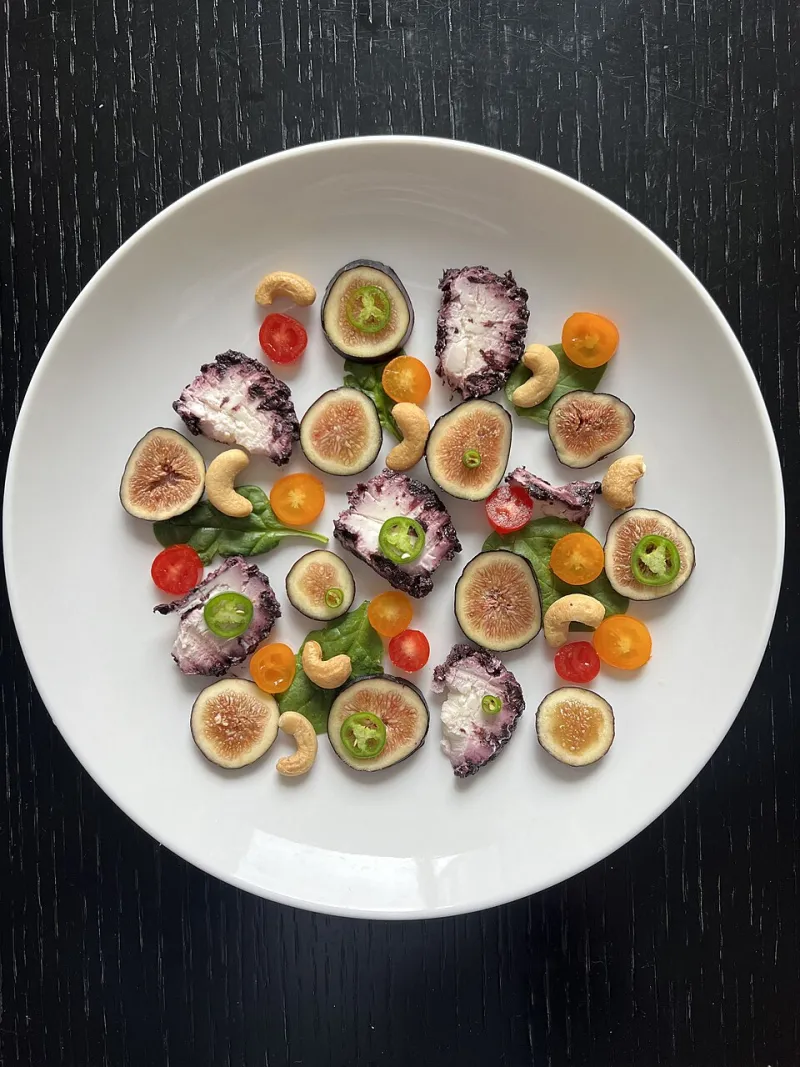
Photo: HaJunkiyada, CC BY-SA 4.0, via Wikimedia Commons
The Word That Sells Everything and Means Nothing
Walk down any grocery store aisle and you'll spot it on a dozen packages: superfood. It shows up on açaí bowls, kale chips, chia seed pouches, and goji berry supplements. It sounds scientific, authoritative, and worth the extra five dollars per bag. But here's the thing — no government agency, no scientific body, and no regulatory framework has ever officially defined what a superfood actually is.
Not the FDA. Not the USDA. Not the American Dietetic Association. The word is, nutritionally speaking, completely made up — and it's been making companies enormous amounts of money for over two decades.
Where Did the Term Even Come From?
The word "superfood" didn't emerge from a clinical study or a nutritional breakthrough. Its earliest documented commercial use traces back to early 20th century marketing — the United Fruit Company reportedly used the term to promote bananas in the 1910s, linking the fruit to good health in advertising campaigns. The word then largely disappeared until the early 2000s, when the wellness industry rediscovered it as a powerful shorthand for "this food is especially good for you."
By 2007, the European Union had actually banned the term from food labels unless the claim was backed by specific, authorized health evidence. The United States never followed suit. So while European consumers were protected from vague nutritional promises, American shoppers were — and still are — fair game.
Food marketers noticed quickly. If you could call a product a superfood without any legal obligation to prove it, why wouldn't you?
The Foods That Got the Crown
Over the years, a rotating cast of ingredients has worn the superfood label. Blueberries. Quinoa. Turmeric. Spirulina. Matcha. Pomegranate. Bone broth. Moringa. Each one tends to follow a similar arc: a study highlights a promising nutrient or antioxidant compound, a wellness blogger picks it up, supplement companies start packaging it, and suddenly the word superfood appears on every related product within eighteen months.
The problem isn't that these foods are unhealthy — most of them genuinely contain beneficial compounds. The problem is the implied hierarchy. Calling blueberries a superfood suggests that they occupy a completely different nutritional category than, say, a plain apple or a handful of frozen spinach. That implication is what nutritionists find misleading.
"There's no threshold a food has to cross to earn that designation," says the general consensus among registered dietitians. A food is called a superfood because someone with a marketing budget decided to call it that.
What Nutritionists Actually Think
Ask a registered dietitian about superfoods and you'll often get a politely exasperated response. The concern isn't that the foods themselves are bad — it's that the framing distorts how people understand nutrition.
Real nutritional science doesn't work the way the superfood model implies. No single food delivers dramatic health transformation on its own. What matters to long-term health outcomes is dietary patterns — the overall mix of what you eat over months and years, not whether you're adding a teaspoon of maca powder to your morning smoothie.
The superfood label also tends to inflate prices for ingredients that are nutritionally comparable to cheaper, less glamorous alternatives. Chia seeds are high in omega-3 fatty acids — so are flaxseeds, which cost a fraction of the price. Quinoa is a complete protein source — but so is a combination of rice and beans that's been a dietary staple in cultures around the world for centuries. Açaí berries contain antioxidants — and so do the regular frozen blueberries sitting two shelves over at about one-fifth the cost.
Why the Myth Keeps Spreading
The superfood concept persists for a few reasons that have nothing to do with science.
First, it satisfies a very human desire for simplicity. Nutrition is genuinely complicated, and the idea that you can dramatically improve your health by adding one special ingredient to your diet is deeply appealing. The alternative — that good health comes from consistent, boring, long-term dietary habits — is a much harder sell.
Second, the wellness industry has a financial interest in keeping the concept alive. Premium pricing depends on perceived uniqueness. If moringa powder is just another leafy green, it's worth a few dollars. If it's a superfood packed with ancient nutrients, it's worth twenty-five.
Third, the media cycle around nutrition research feeds into the pattern. Studies frequently isolate single compounds — a particular antioxidant, a specific flavonoid — and report promising findings. Those findings get translated into headlines, headlines get translated into marketing copy, and by the time the nuance has been stripped away, a food that showed interesting results in a preliminary lab study has become a must-have health essential.
What You Actually Need to Know
None of this means you should stop eating blueberries or throw away your turmeric. These are genuinely nutritious foods and there's nothing wrong with enjoying them. The useful shift is in why you're eating them.
Eating blueberries because you like them and they're part of a varied diet? Great. Paying a significant premium for a powdered version because the packaging says superfood and implies it will change your health trajectory? That's where the myth starts costing you real money.
The foods that have the strongest evidence behind them for long-term health — vegetables, fruits, whole grains, legumes, nuts — are largely unglamorous, widely available, and cheap. None of them need a marketing term to justify their place on your plate.
The next time you see superfood on a label, it's worth remembering: you're reading advertising copy, not a nutritional certification. The word was never defined, never regulated, and never required to mean anything at all. What it does reliably predict is a higher price tag.