Why Your Winter Hat Obsession Is Based on Faulty Army Research
The Heat Loss Rule Everyone Learned
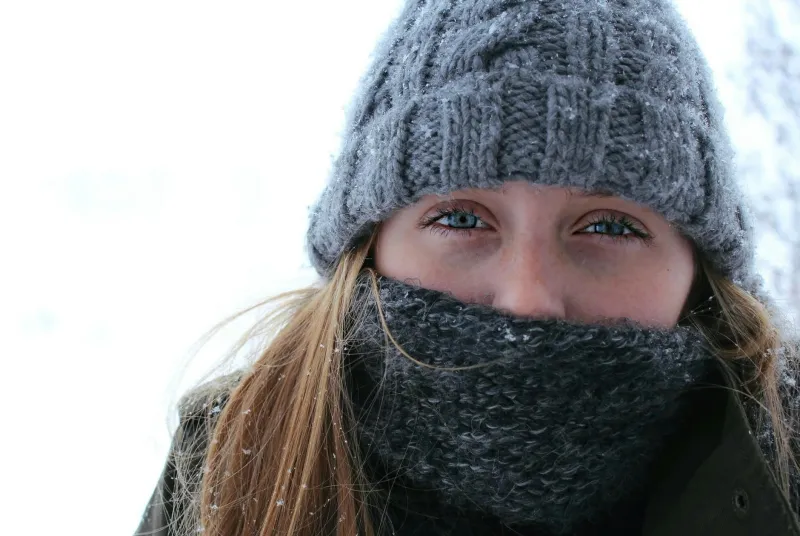
Ask most Americans about winter safety, and they'll confidently tell you that you lose most of your body heat through your head. It's the kind of health fact that gets repeated everywhere — from parenting blogs to outdoor survival guides to your grandmother's winter weather warnings. The specific numbers vary depending on who's telling the story, but the message stays consistent: wear a hat or lose 40%, 50%, maybe even 80% of your body heat through your bare head.
This advice has shaped everything from military cold weather gear to children's winter clothing to emergency preparedness recommendations. But the science behind it tells a much different story than the one that's been passed down for generations.
The Army Experiment That Started It All
The head heat loss myth traces back to U.S. Army research conducted in the 1950s. Military scientists were studying how soldiers lost body heat in cold conditions, trying to design better cold weather gear for troops stationed in harsh climates.
 Photo: U.S. Army, via api.army.mil
The researchers dressed volunteers in full Arctic survival suits and measured their heat loss in controlled cold environments. The suits covered everything except the subjects' heads, which were left exposed to measure heat loss from that area specifically.
Unsurprisingly, when the head was the only body part not insulated, it lost a disproportionate amount of heat. The researchers found that around 40% of the subjects' total heat loss came from their unprotected heads — while the rest of their bodies were wrapped in military-grade insulation.
Somewhere between the laboratory and the public, this specific finding got transformed into a general rule about human physiology. The crucial detail about the experimental setup — that everything except the head was heavily insulated — got lost in translation.
What Your Body Actually Does With Heat
Human heat loss follows fairly straightforward physics principles that don't make the head particularly special. Your body loses heat through radiation, convection, and evaporation from any exposed skin surface. The rate of heat loss depends primarily on surface area, blood flow, and the temperature difference between your skin and the environment.
Your head accounts for about 7% of your total body surface area. In normal conditions, when you're equally clothed (or unclothed) all over, your head loses roughly 7% of your total body heat. That's proportional to its size, not some magical heat-draining property.
The reason your head might feel like it's losing more heat than other body parts has to do with blood flow and nerve sensitivity, not actual heat loss rates. Your head and neck contain lots of blood vessels close to the skin surface, which can make cold feel more intense there. You also have more nerve endings in your face and scalp, making you more aware of temperature changes.
Why the Myth Feels True
The head heat loss myth persists partly because it aligns with how cold weather actually feels. When you're outside in winter without a hat, your head genuinely feels cold quickly. Your ears might hurt, your scalp might tingle, and you'll probably feel generally chilled.
But that subjective experience of coldness doesn't mean your head is actually losing dramatically more heat than your covered torso or legs. It means your head has more temperature-sensitive nerve endings and less insulating fat than other body parts.
There's also a feedback loop effect: when your head gets cold, blood vessels near the surface constrict to preserve core body temperature. This can make you feel colder overall, even though the actual heat loss from your head remains proportional to its surface area.
The Clothing Reality Check
Consider how people actually dress in winter. Most Americans cover their torso, arms, and legs with multiple layers of insulating clothing. Coats, sweaters, long pants, and boots create significant barriers to heat loss from about 85% of the body's surface area.
The head often remains the largest exposed area, simply because hats are optional while other winter clothing is considered necessary. When you're wearing a heavy coat but no hat, your head becomes the primary avenue for heat loss — not because heads are special, but because everything else is covered.
This clothing pattern recreates the conditions of the original Army experiment in everyday life. Your bundled-up body loses little heat, so the uncovered head becomes responsible for a disproportionate share of your total heat loss.
What Thermal Imaging Actually Shows
Modern thermal imaging technology allows researchers to measure heat loss from different body parts in real-world conditions. These studies consistently show that when people are equally clothed (or unclothed) all over, heat loss distributes roughly in proportion to surface area.
A person standing naked in cold air loses heat fairly evenly across their entire body surface. The head doesn't glow dramatically brighter than arms, legs, or torso in thermal images under these conditions.
However, thermal images of normally dressed people in winter do show the head as a bright heat source — because it's often the only significantly exposed area. This visual evidence actually reinforces the myth, even though it's really just documenting clothing choices rather than physiology.
The Practical Winter Advice That Still Makes Sense
Debunking the head heat loss myth doesn't mean winter hats are useless. Covering your head in cold weather absolutely helps you stay warm, just not for the dramatic reasons commonly cited.
Hats prevent heat loss from about 7% of your body surface area, which can make a meaningful difference in overall comfort. They also protect sensitive areas like ears from frostbite, shield your scalp from wind, and help maintain core body temperature through the psychological and physiological effects of feeling warmer.
The real winter safety advice should focus on covering all exposed skin, not just prioritizing your head above everything else. Your hands, neck, and any other bare skin lose heat just as efficiently as your head does.
Why the Numbers Got So Inflated
The original Army research found 40% heat loss from exposed heads, but popular retellings often inflated this number even further. Health websites, survival guides, and parenting advice commonly claim 50%, 60%, or even 80% heat loss from the head.
These escalating numbers likely reflect the telephone game effect of repeated retelling, combined with people's tendency to round up dramatic statistics. A 40% figure becomes "about half," which becomes "most of your heat," which becomes "80% of your body heat."
The inflation also serves commercial interests. Hat manufacturers, winter gear companies, and cold weather clothing retailers benefit from messaging that makes their products seem essential for basic survival rather than just helpful for comfort.
The Science of Staying Warm
Understanding actual heat loss physiology leads to better cold weather strategies. Instead of obsessing over hat-wearing, focus on layering clothing systems that trap warm air close to your body. Pay attention to areas where major blood vessels run close to the skin surface — wrists, neck, and ankles — not just your head.
Wind protection often matters more than insulation alone, since moving air dramatically increases heat loss through convection. And staying dry trumps almost every other consideration, since wet clothing loses its insulating properties.
Your winter hat is a useful piece of cold weather gear, just not the magical heat-loss preventer it's been made out to be. Like the rest of your winter clothing, it works by covering exposed skin and trapping warm air — simple physics that doesn't require mythical explanations to be effective.