The Airplane Air That's Cleaner Than Your Office Building
The Fear That Launched a Thousand Hand Sanitizer Sales
As soon as the boarding announcement crackles over the airport speakers, you'll see them: passengers pulling out travel-sized bottles of hand sanitizer, adjusting face masks, and shooting suspicious glances at anyone who dares to cough. The prevailing wisdom is that airplane cabins are flying petri dishes, with recycled air spreading germs from passenger to passenger like some kind of aerial game of disease tag.
There's just one problem with this widely held belief: it's almost completely wrong.
What Aviation Engineers Actually Built
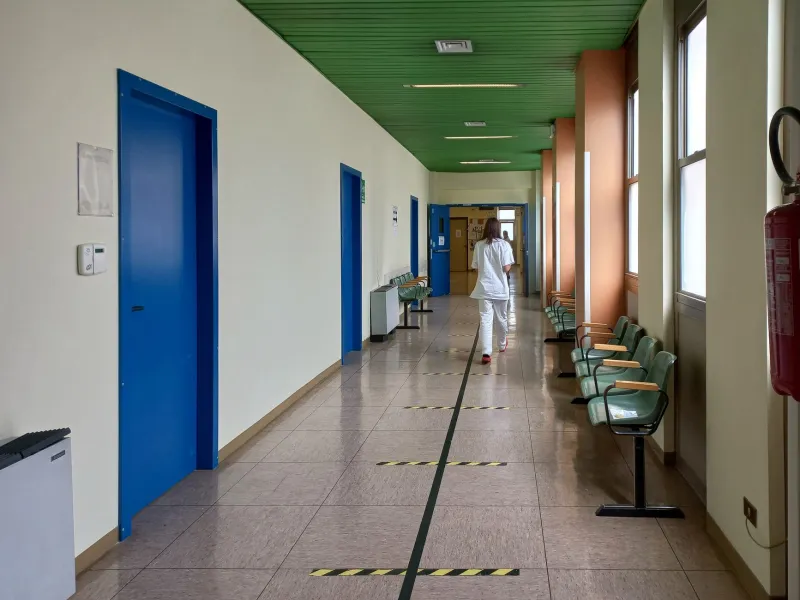
Modern commercial aircraft use HEPA (High-Efficiency Particulate Air) filtration systems that remove 99.97% of particles larger than 0.3 microns. To put that in perspective, most bacteria are 1-5 microns, and viruses range from 0.1-0.3 microns. The air filtration on your average Boeing 737 or Airbus A320 is actually more effective than what you'll find in most hospitals, office buildings, or schools.
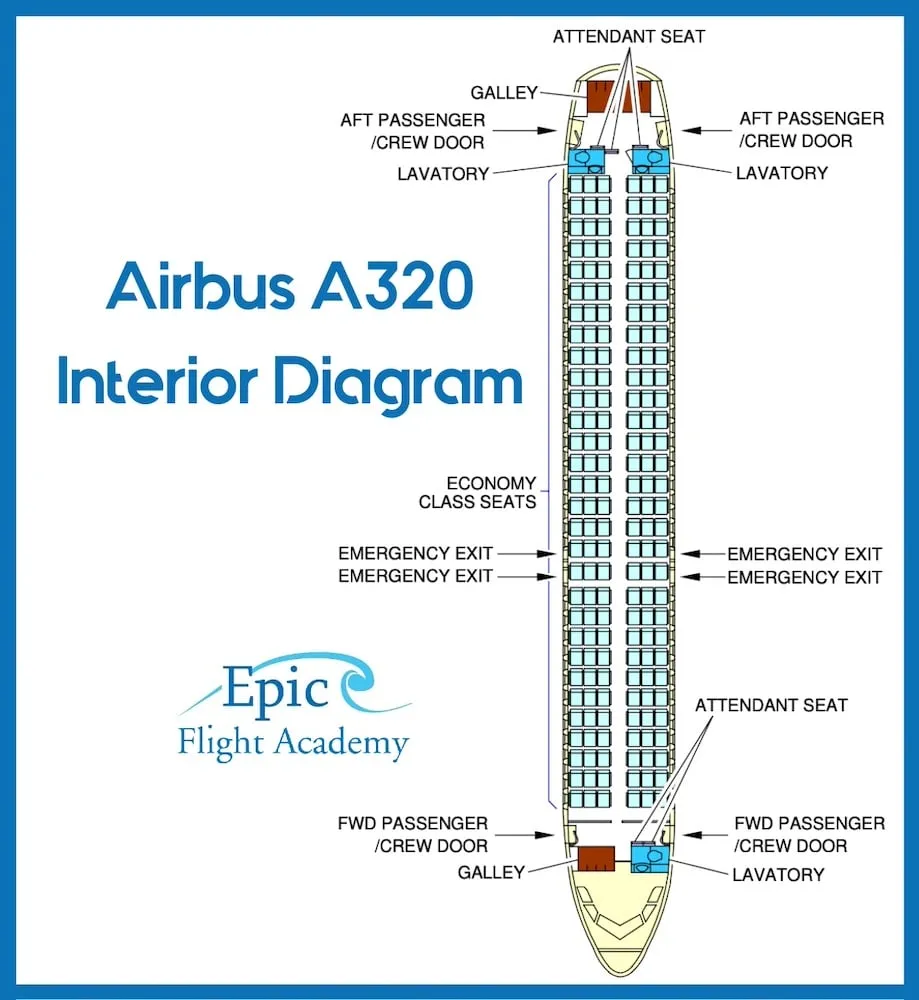 Photo: Airbus A320, via epicflightacademy.com
The cabin air isn't just filtered once and forgotten about, either. The entire volume of air in the cabin gets completely replaced every 2-3 minutes. Compare that to your office building, where the air might get refreshed once every 12-15 minutes, and suddenly that cramped middle seat starts looking a lot cleaner.
Aircraft air systems don't just recycle cabin air, either. They pull in fresh air from outside (at 30,000 feet, where there aren't many germs floating around), mix it with filtered cabin air, and push the combination through those HEPA filters before distributing it throughout the plane.
Where the Airplane Germ Panic Actually Came From
The fear of airplane air contamination isn't totally irrational—it just got focused on the wrong thing. In the 1970s and 80s, some airlines did reduce the amount of fresh air being circulated in cabins to save fuel costs. A few high-profile incidents of passengers getting sick after flights led to investigations and news coverage about "sick building syndrome" in the sky.
By the 1990s, regulations required airlines to meet specific air quality standards, and the introduction of modern HEPA filtration systems solved most of the actual air quality issues. But the reputation stuck. The idea of breathing "recycled" air just sounds gross, even when that recycled air is cleaner than what you breathe in most other indoor spaces.
The COVID-19 pandemic amplified these fears exponentially. Suddenly, everyone became an amateur epidemiologist, and the idea of being trapped in a metal tube with strangers' exhalations felt terrifying. Airlines spent millions on marketing campaigns explaining their air filtration systems, but the damage to public perception was already done.
How Germs Actually Spread on Airplanes
If the air isn't the problem, what is? Researchers studying disease transmission on aircraft have identified the real culprits, and they're much more mundane than you might expect.
Direct contact transmission: Touching contaminated surfaces and then touching your face, mouth, or eyes. This includes tray tables, armrests, seat-back entertainment screens, and bathroom door handles. Studies have found that viruses can survive on airplane surfaces for hours or even days.
Droplet transmission: When someone coughs or sneezes within about 6 feet of you, you can be exposed to respiratory droplets before the air filtration system has a chance to capture them. This is why that passenger hacking away in the row behind you is more concerning than the general cabin air.
Close contact duration: Sitting next to someone who's contagious for several hours creates risk regardless of air quality. The proximity and time factor matter more than the air circulation.
Researchers have found that your risk of catching something on a plane correlates strongly with how close you sit to someone who's already sick, and how long the flight lasts. The air system? Barely a factor in the statistical models.
The Studies That Changed How We Think About Airplane Transmission
One landmark study tracked passengers on flights where someone with a confirmed infectious disease was aboard. The results were surprising: passengers sitting more than two rows away from the sick person showed no increased risk of infection compared to the general population. The air filtration systems were effectively containing airborne particles.
Another study used tracer particles to map how air moves through aircraft cabins. Instead of swirling around the entire cabin as many people imagine, air flows in predictable patterns from ceiling to floor, getting filtered and replaced rapidly. Particles released in one part of the cabin rarely made it to distant seats.
During the SARS outbreak in 2003, researchers studied several flights with infected passengers. While some transmission did occur, it was almost exclusively among passengers sitting within two rows of the infected person—exactly what you'd expect from droplet transmission, not airborne circulation.
What Actually Protects You (And What Doesn't)
Based on the research, here's what actually makes a difference on flights:
Hand hygiene: Washing your hands thoroughly before eating and avoiding touching your face are your best defenses. Those tray tables and armrests are touched by hundreds of people between deep cleanings.
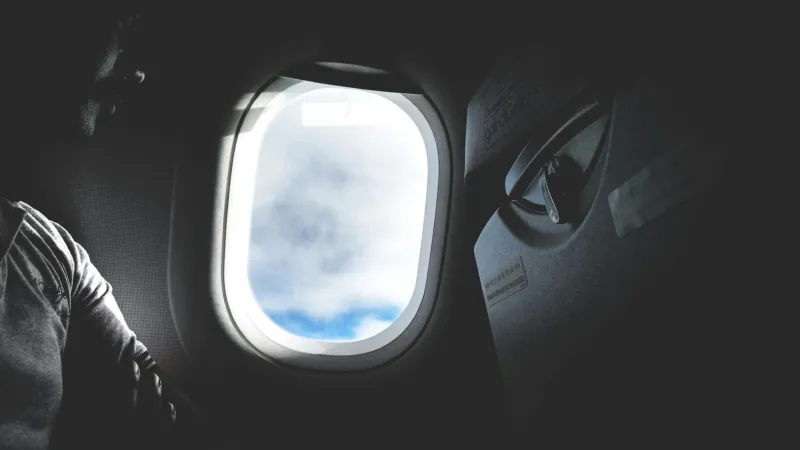
Choosing your seat wisely: Window seats actually offer some protection because you're exposed to fewer people walking past. Aisle seats put you in contact with more passengers moving through the cabin.
Staying hydrated: Dry cabin air can irritate your nasal passages and potentially make you more susceptible to infection through those pathways.
Face masks during illness: If you're sick, wearing a mask prevents your droplets from reaching other passengers. If you're healthy, masks provide some protection against droplets from nearby passengers.
What probably doesn't help as much as you think? Obsessing over the air you're breathing. That air is likely cleaner than what you breathed in the airport terminal, your office building, or the restaurant where you had lunch.
The Irony of Airplane Anxiety
Here's the twist that makes this whole story even more interesting: many people who worry obsessively about airplane air quality don't think twice about crowded restaurants, movie theaters, or office buildings—all of which typically have inferior air filtration and circulation compared to modern aircraft.
The confined space and inability to leave creates psychological stress that makes the risk feel bigger than it actually is. You can walk out of a restaurant if someone nearby is coughing, but you're stuck on that plane for hours. The feeling of control matters more than the actual risk level.
Understanding what actually puts you at risk on flights can help you make better decisions about protection—and maybe worry a little less about things that aren't actually dangerous. That recycled air everyone complains about? It's probably doing its job just fine.