Why Your Doctor's Waiting Room Is Full of People Who Should Be at CVS Instead
The $18 Billion Guessing Game
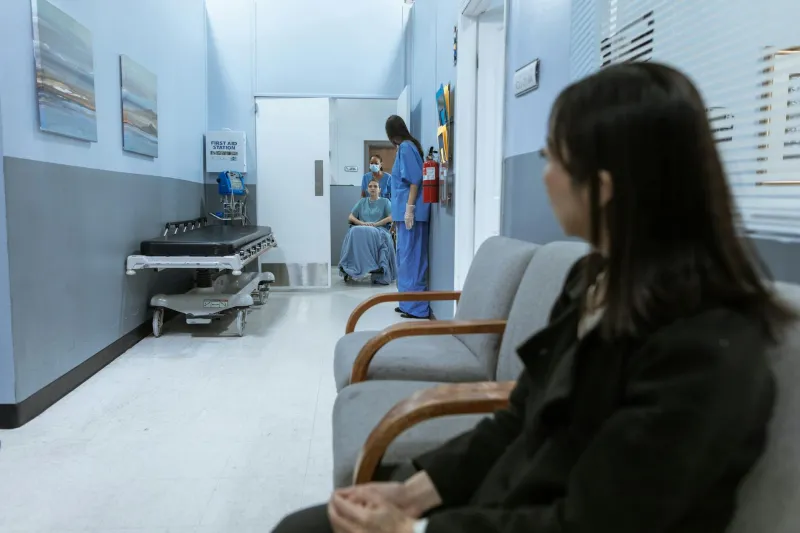
Every year, Americans make roughly 136 million visits to emergency departments. About 71% of those visits could have been handled somewhere else—often for a fraction of the cost and wait time. We're talking about a collective bill of around $18 billion for medical care that didn't need to happen in an ER.
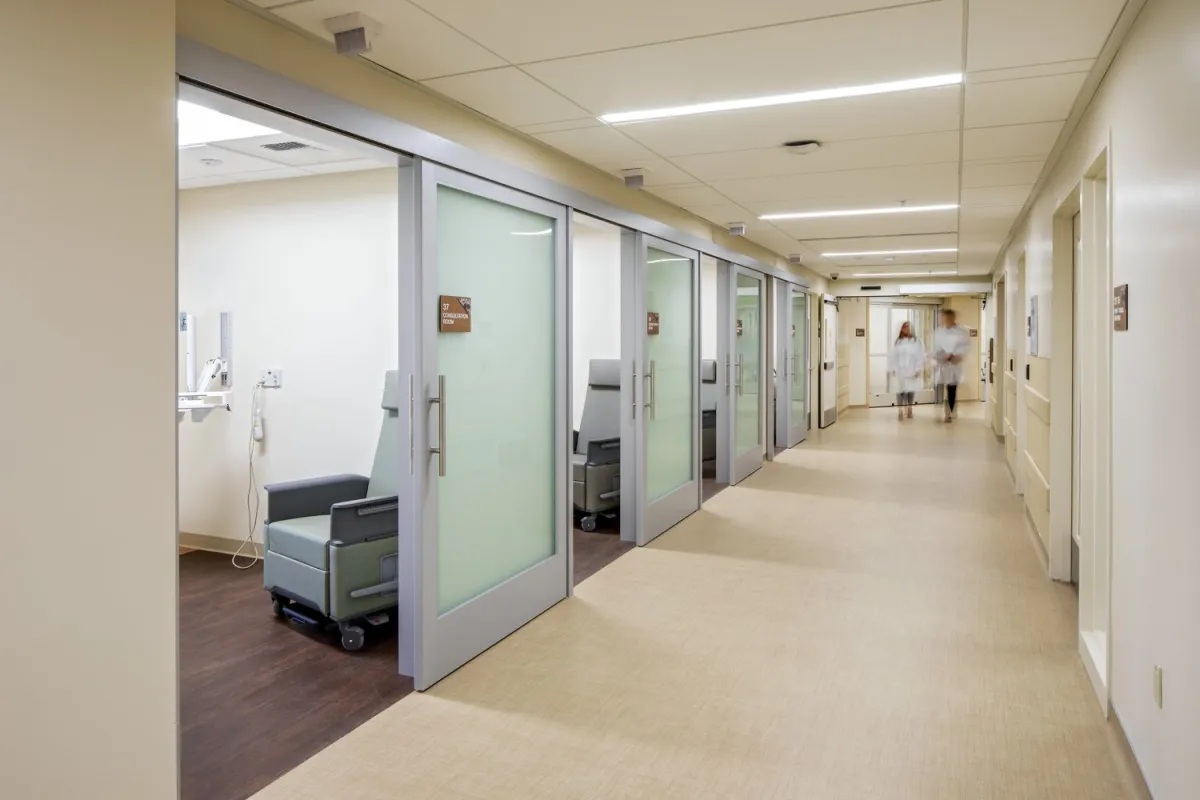 Photo: Emergency departments, via images.squarespace-cdn.com
The problem isn't that people are hypochondriacs or trying to game the system. It's that most of us genuinely don't know where we're supposed to go when something hurts, itches, or feels wrong.
When Did Healthcare Get So Complicated?
For most of American history, you had two choices: your family doctor or the hospital. If Doc wasn't available, you waited or figured it out yourself. Emergency rooms existed, but they were truly for emergencies—heart attacks, car accidents, that sort of thing.
Then healthcare got complicated. Managed care arrived in the 1980s. Primary care doctors became harder to see on short notice. Meanwhile, retail health clinics started popping up in pharmacies around 2000, and urgent care centers exploded from about 8,000 locations in 2008 to over 12,000 today.
Suddenly, we had options. Lots of options. But nobody handed out a manual explaining when to use what.
The Real Difference Between Your Choices
Retail health clinics (those little booths in CVS, Walgreens, and grocery stores) can handle about 30 specific conditions. Think strep throat, pink eye, basic cuts, vaccines, and routine screenings. They're staffed by nurse practitioners, cost about $40-60 per visit, and you're usually in and out in 20 minutes.
Urgent care centers handle everything retail clinics do, plus more complex issues: X-rays for possible fractures, stitches for deeper cuts, severe allergic reactions, and moderate infections. They have doctors on staff, cost $100-300 per visit, and typically take 1-3 hours.
Emergency departments are designed for life-threatening situations: chest pain, difficulty breathing, severe injuries, strokes, and anything where waiting could cause permanent damage or death. They cost $500-3,000 per visit and can take anywhere from 2-12 hours.
Here's what's wild: most Americans think you need a doctor for a sprained ankle (urgent care), believe only hospitals can do X-rays (urgent care can), and assume anything involving blood means the ER (retail clinics handle minor cuts just fine).
Why We Default to the Wrong Place
The confusion isn't random. Several factors pushed Americans toward using emergency departments as their go-to healthcare option:
Insurance quirks: Many insurance plans used to cover ER visits with lower copays than specialist visits, making the emergency room seem like a bargain.
The "better safe than sorry" mentality: When you're scared about a health issue, the emergency room feels like the most serious, thorough option. Marketing from hospitals reinforced this—they wanted those profitable visits.
Primary care access: Getting a same-day appointment with your regular doctor became increasingly difficult. When you're in pain, waiting three days feels impossible.
Lack of triage education: Most other countries teach basic health triage in school. Americans learn to call 911, but not much about the middle ground between "walk it off" and "call an ambulance."
The Cost of Confusion
A typical ER visit for something like a sore throat costs about $1,500. The same diagnosis and treatment at a retail clinic costs $50. For a sprained ankle, the ER charges around $1,200; urgent care handles it for $200.
Multiply that across millions of visits, and you see why healthcare costs keep climbing. But the financial hit isn't just on patients—it's creating system-wide problems. Emergency departments are overcrowded with non-emergencies, which means longer wait times for everyone and burned-out medical staff.
A Simple Decision Tree
Go to a retail clinic if: You know what's wrong, it's on their list of treatable conditions, and you just need confirmation plus treatment. Perfect for routine stuff you've dealt with before.
Choose urgent care if: You're not sure what's wrong, you might need an X-ray or lab work, or it's outside normal business hours but not life-threatening.
Head to the ER if: You're genuinely worried you might die, lose a limb, or suffer permanent damage if you wait. When in doubt about whether it's truly an emergency, call your doctor's after-hours line first.
Why This Matters More Than Ever
The rise of high-deductible health plans means more Americans are paying the full cost of these visits out of pocket. Choosing the wrong level of care can mean the difference between a $50 copay and a $1,500 bill for identical treatment.
Plus, knowing where to go means getting appropriate care faster. Retail clinics and urgent care centers are designed for efficiency with common problems. Emergency departments are designed for complex, life-threatening situations—which means they're often overkill for routine issues.
The next time something's wrong but not catastrophically wrong, take a beat to consider your options. Your wallet—and the person having a heart attack who needs that ER bed—will thank you.