The Cold Water Warning Your Gym Teacher Believed — And What Exercise Scientists Actually Found
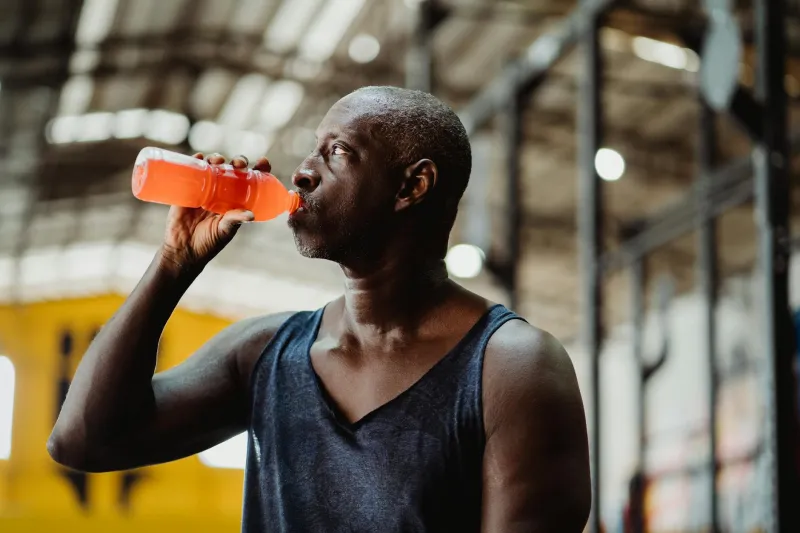
If you've ever reached for an ice-cold bottle of water after a hard workout, chances are someone has warned you to slow down. Maybe it was a coach who insisted cold water would give you cramps. Perhaps a trainer who said it could shock your system. Or a family member who learned from their grandmother that cold water after exercise was dangerous for your heart.
This cautionary advice has been passed down through generations of athletes, fitness enthusiasts, and well-meaning coaches. It feels intuitive — when your body is overheated from exercise, shocking it with something ice-cold seems like it could cause problems.
But exercise physiologists who actually study what happens inside the human body during and after physical activity have been putting these warnings to the test in controlled laboratory settings. Their findings reveal a more complex and less alarming picture than the conventional wisdom suggests.
The Folklore Behind the Fear
The warning against cold water after exercise doesn't come from modern sports science — it traces back to much older medical folklore and cultural beliefs about body temperature. Traditional Chinese medicine, for example, has long taught that consuming cold beverages disrupts the body's internal balance, particularly when the body is already in a heated state.
Similar beliefs emerged in Western folk medicine, where rapid temperature changes were thought to cause "shock" to the system. This thinking influenced early athletic training, where coaches developed rules based on what seemed logical rather than what had been scientifically tested.
The specific warnings evolved over time. Some versions focused on digestive problems — cold water would supposedly cause stomach cramps by shocking the digestive system. Others emphasized cardiovascular risks, suggesting that cold water could cause dangerous changes in heart rate or blood pressure. Still others claimed that cold water would interfere with the body's natural cooling process, actually making you feel hotter.
These explanations sounded plausible enough to persist, especially since they aligned with the general intuition that extreme temperature contrasts should be avoided.
What Actually Happens When You Drink Cold Water
Exercise physiologists have spent decades studying thermoregulation — how the human body manages its internal temperature during physical stress. When you exercise, your core body temperature rises, triggering a complex cooling system that includes increased blood flow to the skin, sweating, and changes in breathing patterns.
Researchers have measured what happens when people drink cold water during this process, and the results are less dramatic than the warnings suggest.
First, the digestive system: Studies have found that cold water doesn't cause the stomach cramping that folklore predicts. The stomach is remarkably good at handling temperature variations, and the cold water quickly warms to body temperature as it moves through the digestive tract. Any cramping that occurs during exercise is far more likely to be related to dehydration, electrolyte imbalances, or eating too close to workout time.
Second, the cardiovascular effects: Research has shown that drinking cold water does cause temporary changes in heart rate and blood pressure, but these changes are generally small and brief. For healthy individuals, these fluctuations fall well within the normal range of cardiovascular responses to exercise itself.
The Cooling Paradox That Surprised Researchers
One of the most interesting discoveries from sports science research is that cold water might actually help with cooling rather than hindering it. When you drink cold water during exercise, it absorbs heat from your core as it warms to body temperature. This internal cooling effect can be significant — some studies suggest it's more effective than pouring cold water over your skin.
Researchers at the University of Ottawa found that cyclists who drank cold water during exercise maintained lower core body temperatures than those who drank room-temperature water. The cold water group also reported feeling less heat stress and were able to exercise longer before reaching exhaustion.
 Photo: University of Ottawa, via blog.davidgiralphoto.com
This finding directly contradicts the folk wisdom that cold water interferes with natural cooling mechanisms. Instead, it appears to supplement them.
The Real Hydration Science
What exercise physiologists have learned is that the temperature of your water matters far less than simply drinking enough of it. Dehydration poses much greater risks during exercise than the temperature of your beverage.
When you're dehydrated, your blood volume decreases, making it harder for your cardiovascular system to deliver oxygen to working muscles and remove heat from your core. This leads to faster fatigue, reduced performance, and potentially dangerous increases in body temperature.
The American College of Sports Medicine recommends that athletes focus on replacing fluid losses rather than worrying about beverage temperature. Their guidelines suggest drinking 16-24 ounces of fluid for every pound of body weight lost during exercise, regardless of whether that fluid is cold, cool, or room temperature.
 Photo: American College of Sports Medicine, via c8.alamy.com
When Cold Water Warnings Make Sense
There are some specific situations where caution with cold water is actually warranted, but they're different from the general warnings most people have heard.
People with certain heart conditions, particularly those involving irregular heart rhythms, might experience more pronounced cardiovascular responses to cold beverages. For these individuals, the temporary changes in heart rate and blood pressure could potentially trigger symptoms.
Some people do experience what's called "cold-induced gastric distress" — stomach discomfort triggered by consuming very cold liquids quickly. This is more likely to happen when drinking large quantities rapidly, rather than sipping cold water gradually.
Extremely cold water (near freezing) consumed very quickly immediately after intense exercise in very hot conditions might theoretically cause more pronounced physiological responses, though research on these extreme scenarios is limited.
The Practical Reality for Most Athletes
For the vast majority of people exercising under normal conditions, the temperature of their water is largely a matter of personal preference. Some people find that cold water tastes better and encourages them to drink more, which supports better hydration. Others prefer room-temperature water because it's easier to drink quickly without causing brief discomfort.
Professional athletes and their support teams have largely moved beyond temperature concerns to focus on more important hydration factors: timing, quantity, and electrolyte replacement. Elite endurance athletes regularly consume ice-cold beverages during competition without the problems that traditional warnings predict.
The key insight from decades of sports science research is that staying adequately hydrated trumps beverage temperature concerns for almost everyone. If cold water encourages you to drink more fluids during and after exercise, that's likely beneficial rather than harmful.
Separating Tradition from Science
The persistence of cold water warnings reveals something important about how health advice spreads and sticks. Recommendations that sound logical and align with intuitive beliefs about the body can persist for generations, even when scientific research doesn't support them.
This doesn't mean all traditional advice is wrong — much of it contains valuable wisdom accumulated over centuries of human experience. But it does mean that distinguishing between evidence-based recommendations and cultural assumptions requires looking at what controlled studies actually show rather than what seems like it should be true.
For cold water after exercise, the scientific evidence suggests that the warnings are largely unnecessary for most people. Your body is remarkably good at handling the temperature variations involved, and the benefits of proper hydration far outweigh any theoretical risks from drinking cold beverages.
The next time someone warns you about that ice-cold water bottle after your workout, you can appreciate their concern while understanding that exercise science has moved beyond those traditional fears. The most important thing is that you're drinking enough fluid to replace what you've lost through sweat — whether it's cold, cool, or room temperature is largely up to you.