Medieval Scholars Already Knew the Earth Was Round—So Who Invented the Columbus Flat-Earth Story?
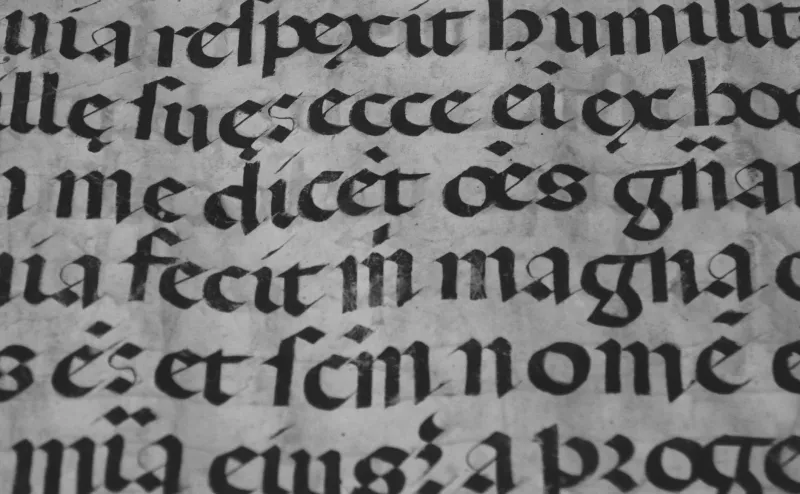
The Story Everyone Learned in School
Picture this: brave Christopher Columbus stands before the Spanish court in 1492, arguing against the superstitious belief that the Earth is flat. Learned men warn him his ships will sail off the edge of the world. Religious authorities cite scripture about the four corners of the Earth. But Columbus persists, armed with revolutionary knowledge that our planet is actually a sphere, and sails west to prove them all wrong.
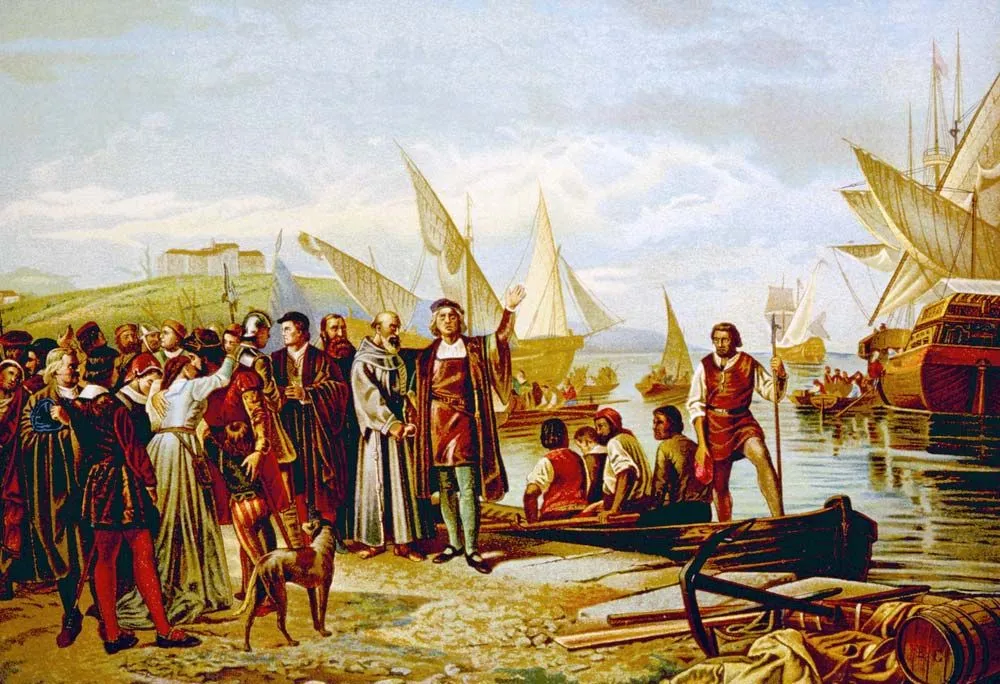 Photo: Christopher Columbus, via cdn.britannica.com
It's a compelling narrative that millions of Americans learned in elementary school. There's just one problem: virtually none of it happened.
What Medieval Scholars Actually Believed
By Columbus's time, the idea that educated Europeans believed in a flat Earth was already ancient history. We're talking really ancient—like, ancient Greece ancient.
Aristotle had figured out the Earth was round in the 4th century BCE by observing lunar eclipses and noticing how ships disappeared hull-first over the horizon. Eratosthenes had even calculated its circumference with remarkable accuracy around 240 BCE. These weren't fringe theories—they were accepted science.
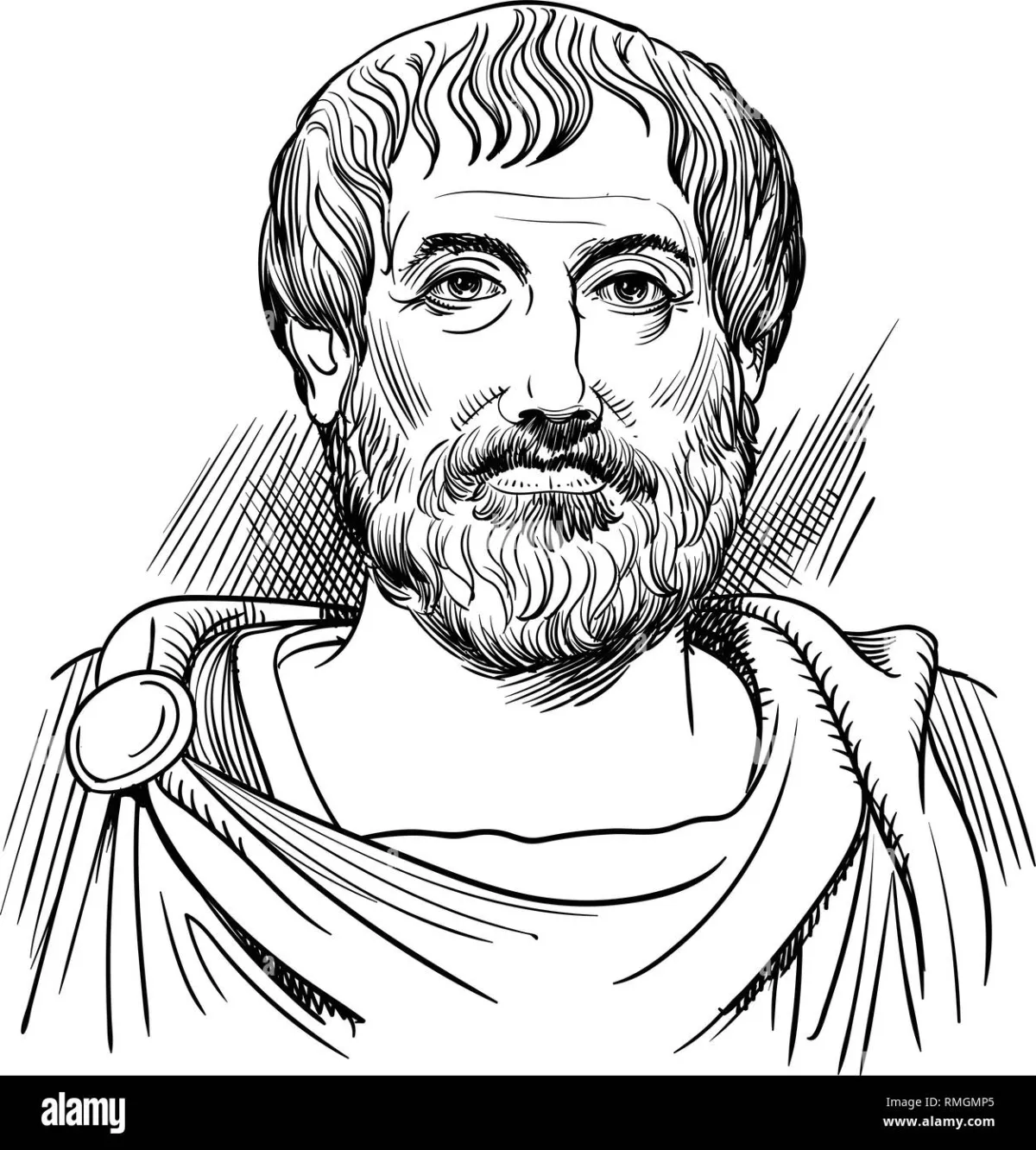 Photo: Aristotle, via c8.alamy.com
When Christianity spread across Europe, scholars didn't suddenly forget basic astronomy. Medieval universities taught spherical Earth as standard curriculum. Thomas Aquinas wrote about it. Dante's Divine Comedy, written in the early 1300s, describes a spherical Earth with people living on the opposite side. The Venerable Bede was teaching spherical Earth theory in England back in the 8th century.
The Real Columbus Controversy
So what were Columbus and the Spanish court actually arguing about? Size, not shape.
Columbus thought the Earth was much smaller than it actually is. He estimated the distance from Europe to Asia going west at about 3,000 miles. The actual distance is closer to 12,000 miles. Spanish advisors rejected his plan not because they thought he'd sail off a flat edge, but because they correctly calculated he'd run out of food and water long before reaching Asia.
They were absolutely right. If the Americas hadn't been sitting exactly where Columbus needed them to be, his expedition would have been a disaster. The man got incredibly lucky and then spent the rest of his life insisting he'd reached the Indies, even when it became obvious he hadn't.
The 19th-Century Fiction Factory
So where did the flat-Earth Columbus story come from? You can thank Washington Irving, the guy who wrote "Rip Van Winkle" and "The Legend of Sleepy Hollow."
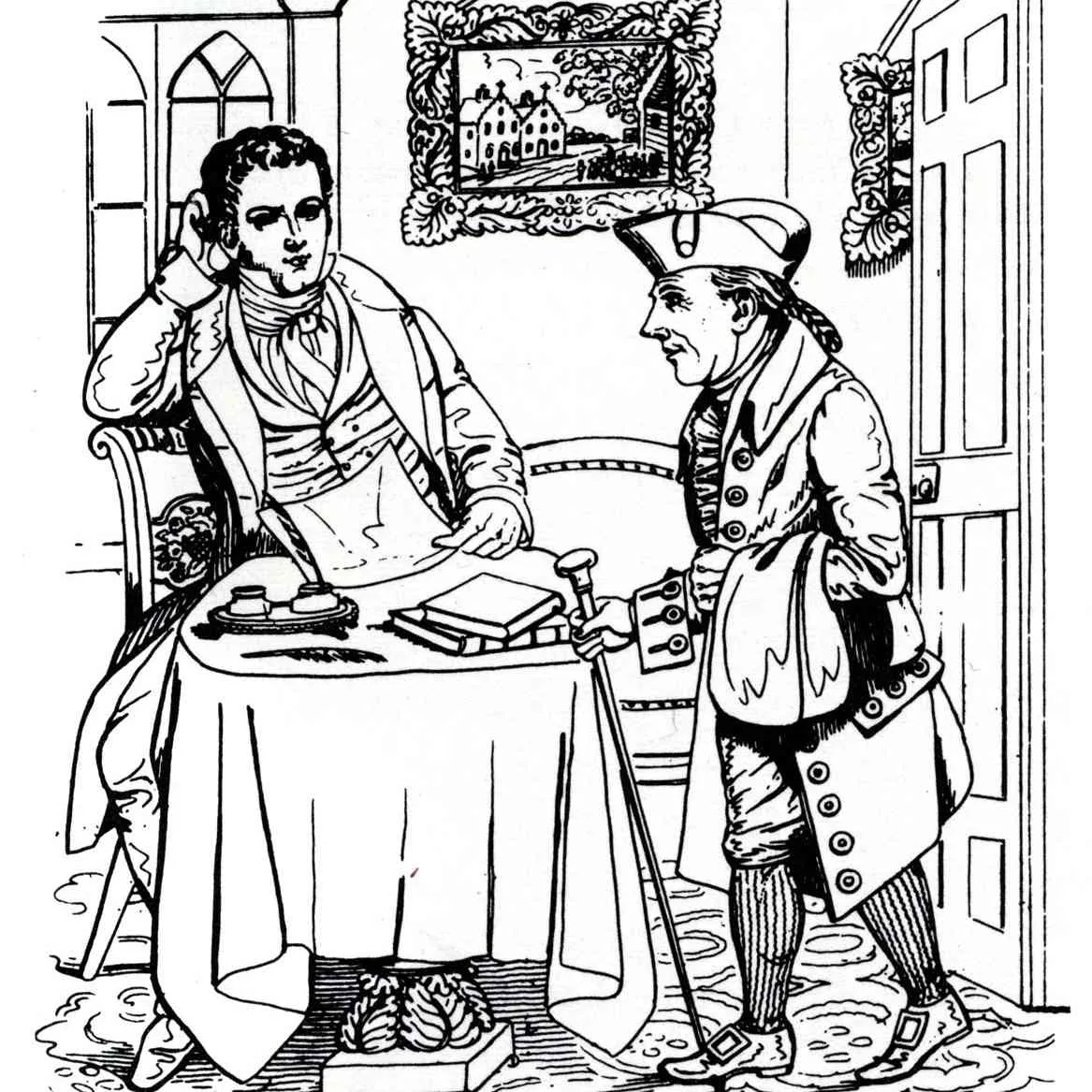 Photo: Washington Irving, via www.thoughtco.com
In 1828, Irving published "A History of the Life and Voyages of Christopher Columbus." It was supposed to be biography, but Irving treated historical facts more like rough suggestions. He invented dramatic scenes of Columbus arguing with flat-Earth believers because it made for better storytelling. The book was hugely popular, and Irving's fictional version of events started seeping into actual history textbooks.
But Irving wasn't the only culprit. The late 1800s were prime time for what historians now call the "conflict thesis"—the idea that science and religion have always been at war. Writers like John William Draper and Andrew Dickson White promoted this narrative, and the Columbus flat-Earth story fit perfectly. Here was a brave navigator using reason and observation to overcome religious superstition.
The problem? It wasn't true. Medieval Christian scholars had been perfectly comfortable with a spherical Earth for centuries.
How Fake History Became Real Curriculum
Once the Columbus flat-Earth story entered popular culture, it proved remarkably hard to kill. Textbook writers copied from other textbooks, teachers repeated what they'd been taught, and the myth became self-perpetuating.
Part of the story's appeal was its simplicity. Complex historical truths about navigation, geography, and medieval scholarship got boiled down to a clean narrative: ignorant people thought the Earth was flat, Columbus proved them wrong, science triumphed. It's the kind of story that fits perfectly into a 45-minute class period.
The myth also served some useful cultural purposes. It reinforced American ideas about bold individualism overcoming hidebound tradition. It suggested that progress comes from questioning authority. It made Columbus look like a proto-scientist rather than a guy who got really lucky.
What Medieval People Actually Worried About
Medieval Europeans had plenty of concerns about ocean exploration, but falling off the edge of the Earth wasn't one of them. They worried about sea monsters—which, given their limited knowledge of marine life, wasn't entirely unreasonable. They worried about extreme heat near the equator that might boil sailors alive. They worried about the logistics of long-distance navigation without GPS, radar, or even accurate maps.
These were actually pretty rational concerns for the time. Medieval scholars weren't primitive—they were working with the best information available and applying logical reasoning to complex problems.
The Real Flat-Earthers
Ironically, while medieval scholars understood spherical Earth theory, there really were some ancient authorities who promoted flat-Earth models. Lactantius, a Christian writer from the 3rd century, argued against spherical Earth based on his interpretation of scripture. But by the medieval period, even church authorities had moved on from these ideas.
The few medieval writers who occasionally referenced flat-Earth concepts were usually describing symbolic or metaphorical representations, not literal geography.
Why This Myth Matters
The Columbus flat-Earth story isn't just harmless historical fiction—it actively distorts how we understand the relationship between science, religion, and progress. It promotes the idea that scientific advancement requires rejecting religious faith, when the actual history is much more complicated.
Medieval scholars made real contributions to astronomy, mathematics, and natural philosophy. Many were deeply religious people who saw studying the natural world as a way to understand divine creation. The flat-Earth myth erases this nuanced reality in favor of a simplistic conflict narrative.
The Persistence of Convenient Stories
Perhaps most importantly, the Columbus flat-Earth myth shows how easily false but appealing stories can overwrite actual history. We like narratives about brave individuals challenging conventional wisdom. We want clear heroes and villains. We prefer simple explanations to complex ones.
But real history is messier than that. Columbus wasn't a scientific hero proving Earth's roundness—he was a navigator with faulty calculations who happened to stumble onto a continent he didn't know existed. Medieval scholars weren't flat-Earth primitives—they were sophisticated thinkers working within their era's knowledge constraints.
Setting the Record Straight
Next time someone mentions Columbus proving the Earth was round, you can share the real story: educated Europeans already knew that. They'd known it for over a thousand years. The flat-Earth story was invented by 19th-century writers who thought actual history wasn't dramatic enough.
The truth is often more interesting than the myth anyway. Medieval scholars weren't the backwards primitives that popular culture makes them out to be. And Columbus? He was just a guy with bad math who got incredibly lucky. Sometimes that's how history actually works.