Your Arrest Photo Is Online Forever—And the Company Charging $400 to Remove It Isn't Breaking Any Laws
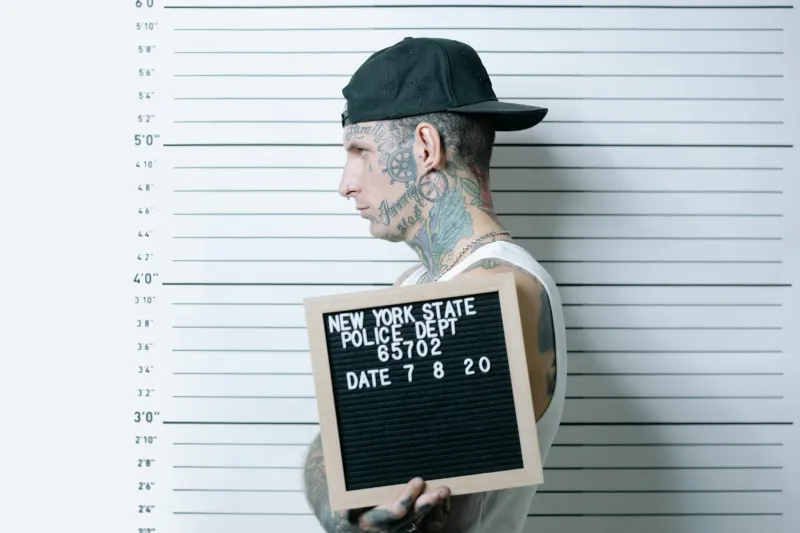
The Email That Changes Everything
Jessica Martinez thought her college DUI arrest was behind her. The charges were dropped, her record was clean, and she'd built a successful marketing career over the next decade. Then came the Google alert: her mugshot was prominently featured on a website called "ArrestFacts.com," complete with her full name, age, and arrest details.
 Photo: Jessica Martinez, via lookaside.instagram.com
Below the photo was a helpful link: "Remove this record - $399."
Jessica's story isn't unique. Thousands of Americans discover their arrest photos online every month, often from cases that were dismissed, expunged, or resulted in acquittals. What feels like digital extortion is actually a legal business model that has survived repeated attempts to shut it down.
How the Mugshot Industry Actually Works
Mugshot websites operate on a simple principle: arrest records are public information in most states. When someone gets arrested, their booking photo and basic details become part of the public record, accessible to anyone who knows where to look.
Companies like Mugshots.com, BustedMugshots.com, and dozens of others employ automated systems to scrape this data from sheriff's offices, police departments, and court websites. They then publish everything on their own sites, complete with search engine optimization to ensure the photos show up prominently in Google searches.
The business model has two revenue streams. First, advertising—people searching for arrest records generate substantial web traffic. Second, and more controversially, removal fees. Most sites offer to take down photos for payments ranging from $99 to $500 per listing.
The Legal Loophole That Keeps Them Running
Here's the crucial legal distinction that keeps these sites operating: they don't technically charge money to remove public records. Instead, they charge for what they call "unpublishing services" or "reputation management." The sites argue they're providing a separate service—removing their own publication of otherwise public information.
It's a fine line, but it's kept most mugshot sites on the right side of extortion laws. Courts have generally ruled that since the underlying information is publicly available, websites aren't committing extortion by charging to remove their own publication of that data.
Several states have tried to crack down on the industry. In 2013, Georgia passed a law making it illegal to charge removal fees for mugshot websites. Similar laws followed in Texas, Colorado, and Oregon. But many sites simply moved their operations to states without such restrictions, or restructured their business models to comply with local laws while maintaining their revenue streams.
Why Arrest Records Are Public in the First Place
The public nature of arrest records isn't an oversight—it's a deliberate feature of the American justice system. The principle dates back to English common law and the idea that secret arrests and hidden proceedings are hallmarks of authoritarian governments.
Public arrest records serve legitimate purposes. They allow journalists to monitor police activity, help employers conduct background checks, and enable families to locate arrested relatives. The system worked reasonably well when accessing records required physically visiting courthouses or police stations.
The internet changed everything. What once required effort and intention—driving to a courthouse, filling out forms, paying fees—now happens instantly with a Google search. The internet turned limited public access into unlimited public exposure.
The Human Cost of Digital Permanence
The impact goes far beyond embarrassment. Studies show that having an arrest record online, even for charges that were dropped, can significantly impact employment prospects. Many employers now conduct Google searches as part of their hiring process, and an arrest photo can end a job opportunity before it begins.
Dr. Sarah Johnson, a psychologist in Atlanta, was arrested during a protest in college. The charges were dismissed, but her mugshot appeared on three different websites twenty years later when she was up for a promotion to department head. "I had to explain to my boss why my arrest photo was showing up in Google searches," she recalls. "It was humiliating."
 Photo: Dr. Sarah Johnson, via www.swfleye.com
The psychological impact can be severe. Many people report feeling like they're being punished indefinitely for mistakes they've already paid for, or for arrests that never led to convictions.
What Options People Actually Have
Contrary to popular belief, paying the removal fee doesn't guarantee the photo disappears forever. Many mugshot sites are interconnected, and photos often reappear on other platforms within months. Some sites even use removal requests to identify which photos are worth keeping online—if someone's willing to pay to remove it, it must be causing them problems.
There are some legitimate alternatives, though they require patience and persistence:
Direct contact with law enforcement: Some police departments will work to remove photos from their own websites, especially for cases that were dismissed or expunged.
Legal expungement: In states that allow it, getting arrest records officially expunged can provide grounds for demanding removal from websites.
Search engine optimization: Some reputation management companies focus on creating positive online content to push down negative search results rather than removing them entirely.
Legal action: While difficult, some people have successfully sued mugshot sites for violations of state laws or for failing to remove photos after legal expungement.
The Business Model's Dirty Secret
What many people don't realize is that the most profitable photos aren't necessarily from serious crimes. Mugshot sites make the most money from people who have something to lose—professionals, parents, people in small communities where reputation matters.
A CEO arrested for a white-collar crime is more likely to pay $400 for removal than someone with a long criminal history who doesn't care about their online presence. The business model specifically targets people for whom an online mugshot creates ongoing problems.
Some sites even optimize for this by prioritizing photos of people from affluent zip codes or with professional-sounding names.
Why Congress Hasn't Acted
Federal legislation to regulate mugshot websites has been proposed multiple times but never passed. The industry benefits from the same First Amendment protections that cover legitimate news organizations—they're publishing factual information that's already in the public domain.
Any law targeting mugshot sites would need to carefully balance free speech concerns with privacy rights. It's a complex legal challenge that Congress has been reluctant to tackle, especially given the websites' argument that they're providing a public service by making government records more accessible.
The Real Solution Nobody Wants to Discuss
The most effective way to address the mugshot website problem would be to change how arrest records work in the digital age. Some legal scholars suggest that arrest records should only become public after conviction, or that they should automatically be sealed after a certain period if no conviction occurs.
But this would require fundamental changes to public records laws and would face opposition from legitimate users of arrest data—journalists, researchers, and background check companies.
Living in the Permanent Record Era
The mugshot website industry exists because we're still figuring out how traditional concepts of justice and redemption work in an era of permanent digital records. The internet doesn't forget, even when the legal system does.
For people dealing with mugshot websites today, the unfortunate reality is that there's no perfect solution. The sites will likely continue operating as long as arrest records remain public and people are willing to pay for removal.
The best defense is often offense: creating positive online content, understanding your rights under state laws, and being prepared to explain past arrests honestly rather than hoping they'll stay hidden.
Because in the digital age, very little stays hidden for long. And there's always someone willing to charge you to make the problem go away—temporarily.