The Hidden Brain Science Behind Why Everyone Has a 'Good Side' in Photos
The Universal Photo Pose Nobody Taught You
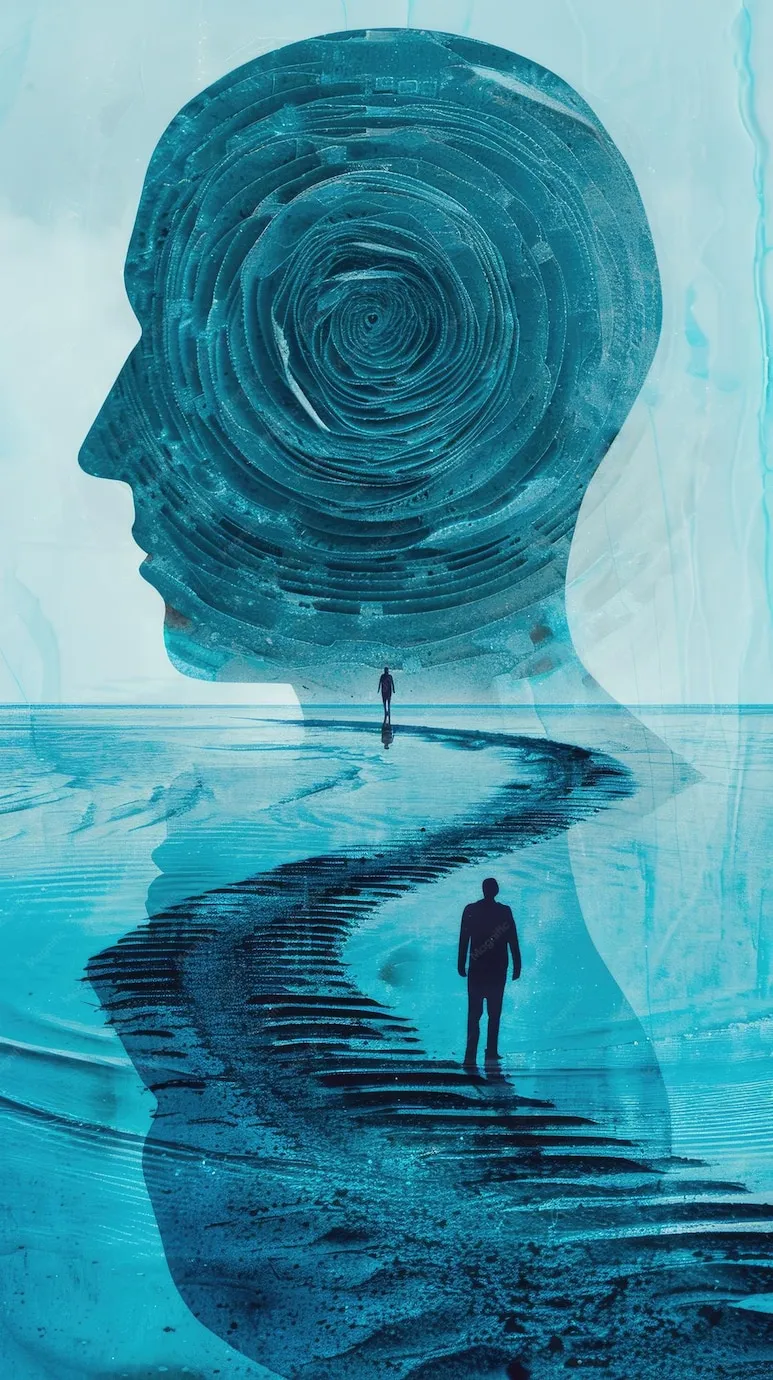
Watch people pose for photos, and you'll notice something curious: almost everyone automatically turns their head slightly to one side. Ask them why, and they'll usually say something about their "good side" or "better angle." But researchers studying facial perception have discovered the real reason has nothing to do with aesthetics—and everything to do with how your brain is wired.
The phenomenon is so consistent that photography instructors have names for it. Portrait photographers call it "the turn," and they've noticed that about 68% of people naturally favor showing the left side of their face to the camera. That's not random, and it's not about looking good.
What Renaissance Painters Knew Before Science Could Explain It
Centuries before anyone understood brain hemispheres or facial processing, portrait artists stumbled onto something important. Look at famous paintings from the Renaissance through the 19th century, and you'll see a clear pattern: subjects are positioned to show more of the left side of their face to the viewer.
Leonardo da Vinci's portraits, Rembrandt's self-portraits, even formal commissioned works—they consistently feature this left-side bias. Art historians used to chalk this up to artistic convention or the mechanics of painting (most artists being right-handed). But neuroscience research from the last few decades suggests these painters were unconsciously tapping into how human brains process emotional information.
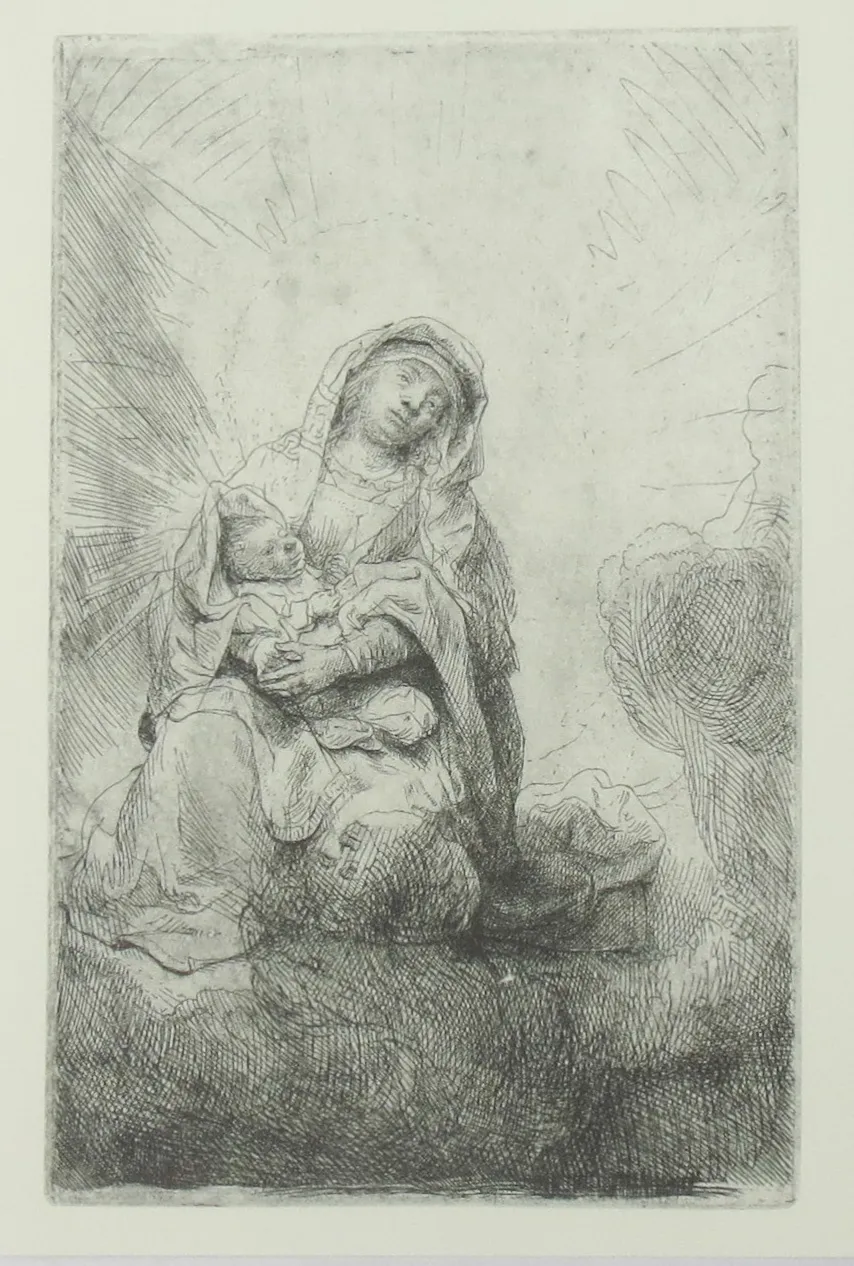 Photo: Rembrandt, via cdn.webshopapp.com
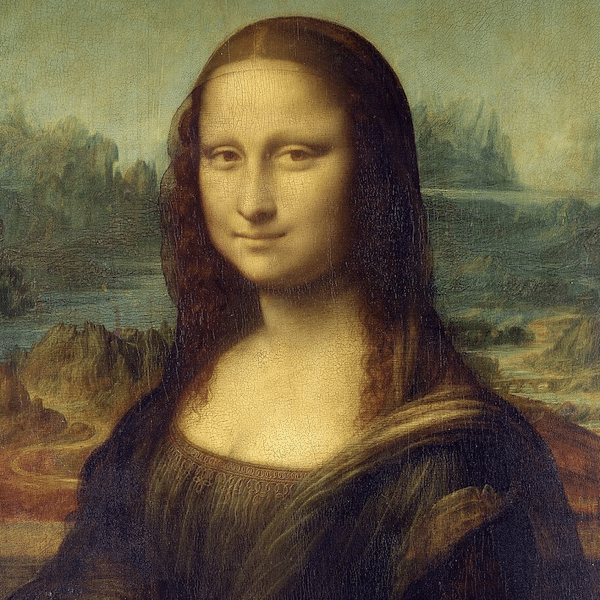 Photo: Leonardo da Vinci, via mymodernmet.com
The Two-Brain Theory That Changed Everything
In the 1960s and 70s, researchers studying patients with split-brain conditions (where the connection between brain hemispheres was severed) made a startling discovery. The right hemisphere of the brain, which controls the left side of the body, seemed more involved in processing and expressing emotion.
This led to a breakthrough in understanding facial expressions. The left side of your face is more emotionally expressive because it's controlled by your right brain hemisphere—the side more connected to emotional processing. When you smile, laugh, or show concern, the left side of your face typically shows more pronounced movement and expression.
Why Your 'Good Side' Isn't About Good Looks
Here's where it gets interesting: when researchers showed people photographs of faces, they found that viewers consistently rated faces as more emotionally engaging when they could see more of the subject's left side. This wasn't about conventional attractiveness—it was about emotional connection and perceived authenticity.
The left side of the face appears more genuine and emotionally accessible to viewers. So when you instinctively turn to show your left side in photos, you're not trying to hide a physical flaw—you're unconsciously positioning yourself to appear more emotionally open and relatable.
Studies using eye-tracking technology confirmed this: when people look at faces, they spend more time focusing on the left side of the face (from the viewer's perspective). We're naturally drawn to the more emotionally expressive side.
The Selfie Era Changed the Game
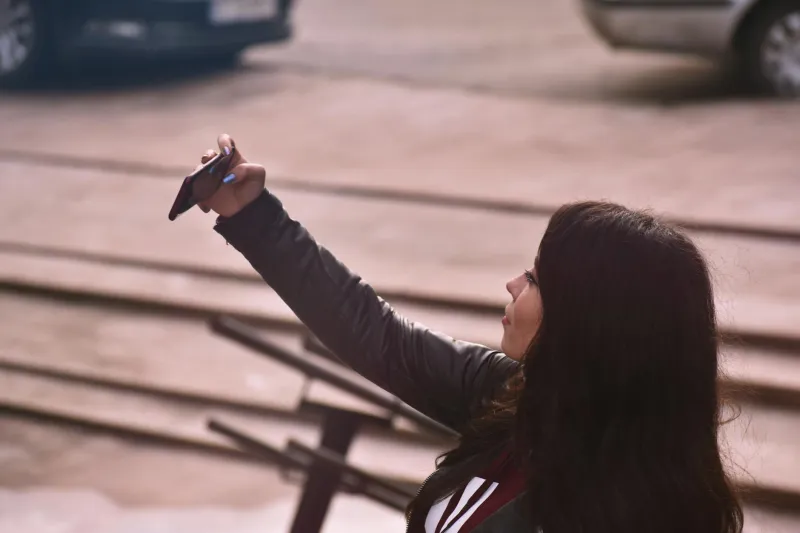
The rise of smartphone cameras and selfies created an interesting wrinkle in this research. When people take selfies, they're looking at themselves in the phone's front-facing camera, which acts like a mirror. This flips the entire dynamic.
Researchers studying thousands of selfies found that the left-side bias actually became stronger in the selfie era, not weaker. People became even more likely to angle their left side toward the camera, suggesting that the instinct runs deeper than just learned behavior from professional photography.
Cultural Differences in the 'Good Side' Phenomenon
While the left-side preference appears across cultures, the strength of the bias varies. Western cultures show the strongest left-side preference in both formal portraits and casual photos. Some East Asian cultures show a more balanced approach, possibly related to different cultural values around emotional expression and restraint.
Interestingly, the bias is stronger in candid photos than in formal portraits, suggesting that when people are relaxed and not overthinking their pose, the neurological preference takes over.
What This Means for Your Next Photo
Understanding the science doesn't mean you should start obsessing over which side to show. The research suggests that your instinctive positioning is probably already optimized for emotional connection with viewers. That "good side" you think you have? It likely is good—just not for the reasons you thought.
The left-side preference creates more emotionally engaging photos because viewers connect better with emotional expressiveness. So if you're taking professional headshots, family photos, or even dating app pictures, letting your natural instinct guide your positioning probably serves you well.
The Bigger Picture About Human Perception
This research reveals something fascinating about human communication: we're constantly making unconscious calculations about how to present ourselves for maximum emotional impact. The "good side" phenomenon isn't vanity—it's an evolutionary adaptation for social connection.
Portrait artists intuited this centuries ago. Photographers learned it through experience. And now neuroscience can explain why turning slightly to the left makes people appear more emotionally accessible and genuine in images.
So the next time someone teases you about having a "good side," you can explain that you're actually demonstrating sophisticated understanding of human facial perception and emotional processing. Your brain has been optimizing for social connection all along—you just didn't know it had a scientific name.