The Two Words on Nearly Every Packaged Food That Mean Almost Nothing — And Everything at Once
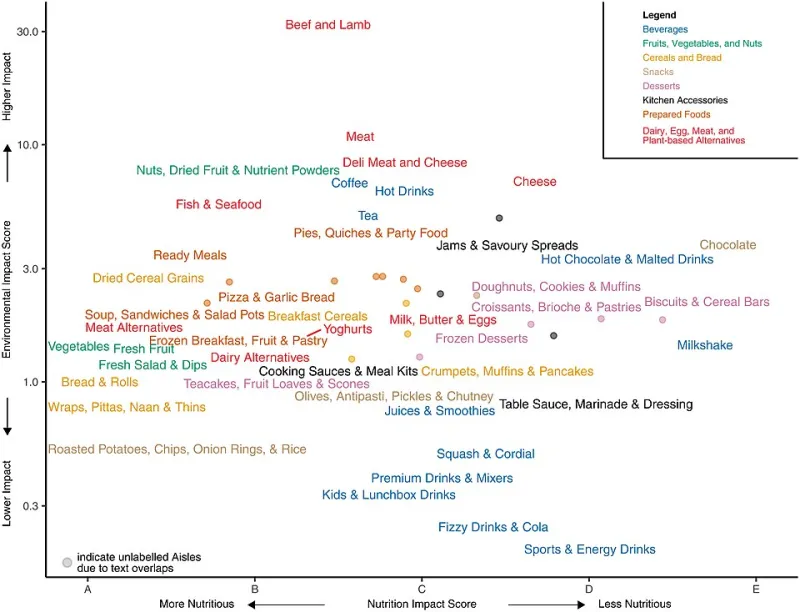
Photo: Authors of the study: Michael Clark https://orcid.org/0000-0001-7161-7751 [email protected], Marco Springmann, Mike Rayner https://orcid.org/0000-0003-0479-6483, Peter Scarborough, Jason Hill https://orcid.org/0000-0001-7609-6713,
The Label That Sounds Reassuring and Explains Almost Nothing
Pick up almost any packaged food in an American grocery store — a bag of flavored chips, a bottle of sparkling water, a protein bar, a container of yogurt, a box of cereal — and there's a reasonable chance you'll find "natural flavors" somewhere in the ingredient list. It sits there looking harmless, even wholesome, nestled between things like sea salt and cane sugar.
Most people read it and feel fine. Natural sounds good. It sounds like the opposite of artificial. It sounds like something that came from a plant or an animal rather than a laboratory.
The reality is significantly more complicated — and the gap between what consumers assume that phrase means and what it actually means under federal regulation is one of the more revealing disconnects in the American food system.
What the FDA Actually Says
The Food and Drug Administration defines "natural flavor" in the Code of Federal Regulations (21 CFR 101.22) as a substance derived from a plant or animal source — fruit, vegetable, meat, seafood, dairy, eggs, herbs, or spices — whose primary function is flavoring rather than nutrition.
 Photo: Food and Drug Administration, via dovemed-prod-k8s.s3.amazonaws.com
That sounds straightforward enough. But the definition leaves enormous room for interpretation.
For starters, "derived from" doesn't mean "minimally processed." A natural flavor can be the product of extensive chemical processing, solvent extraction, enzymatic reactions, or fermentation, as long as the original source material was a plant or animal. The end compound in your food may bear little chemical resemblance to anything you'd find in a garden or on a farm.
For another thing, the definition says nothing about quantity, purity, or what else might be in the flavoring mixture. Flavor compounds are typically delivered in a carrier solution that can include emulsifiers, preservatives, and solvents — none of which have to be individually disclosed on the label. The entire mixture gets listed simply as "natural flavors."
And crucially, manufacturers are not required to disclose what those flavors are actually made from. That information is protected as a trade secret. The company knows. The flavor house that made it knows. You don't get to know.
Why It Shows Up on "Clean" Products
This is where things get particularly interesting for anyone who shops at Whole Foods, reads ingredient labels carefully, or gravitates toward products that advertise themselves as simple or minimally processed.
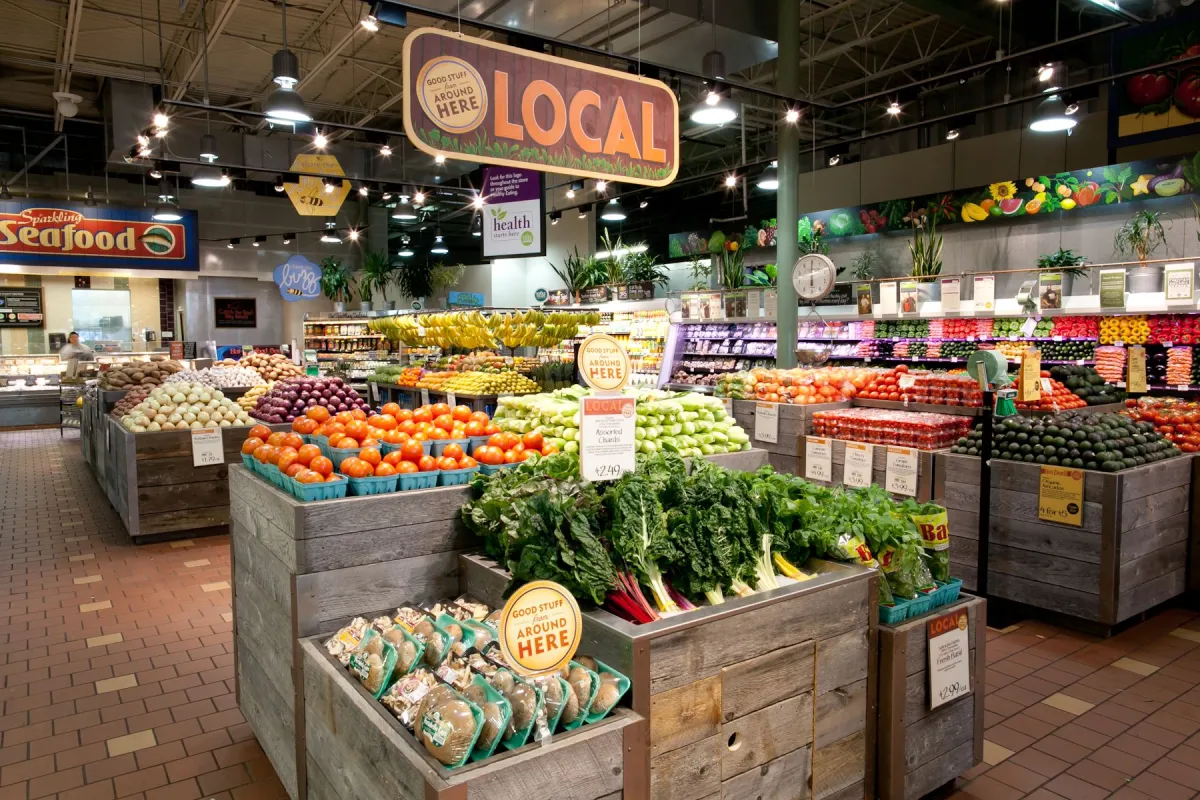 Photo: Whole Foods, via i.pinimg.com
"Natural flavors" appears on products across the entire spectrum of the food industry — from mass-market snack foods to premium health brands. It shows up in organic products. It shows up in items marketed with phrases like "nothing artificial" or "made with real ingredients." It shows up in baby food.
Food manufacturers rely on natural flavors for a practical reason: they work. Modern food processing strips a lot of the original flavor out of ingredients. Heating, freezing, extrusion, and shelf stabilization all degrade the aromatic compounds that make food taste like what it's supposed to taste like. Natural flavors restore and enhance that perception of taste in a way that's consistent, scalable, and cost-effective.
Using natural flavors also lets manufacturers reduce the amount of actual primary ingredients they need. A strawberry yogurt that gets its strawberry taste primarily from natural flavors can contain very little actual strawberry — but on the ingredient list, "natural flavors" sounds considerably better than a long chemical name would.
For brands positioning themselves as clean or transparent, "natural flavors" is particularly convenient. It doesn't trigger the same consumer alarm that "artificial flavors" does. It doesn't require disclosure of the specific compounds involved. And it's entirely legal under current FDA rules.
The Beaver Problem (And Other Sources You Didn't Expect)
One of the more memorable examples that food writers and consumer advocates have used to illustrate the breadth of the natural flavors definition involves castoreum — a substance secreted by beavers from castor sacs near the base of their tails. It has a vanilla-like scent and has historically been used as a flavoring agent. It is, by FDA definition, a natural flavor, because it comes from an animal.
To be fair, castoreum is expensive and labor-intensive to harvest, and most food scientists say it's rarely used in modern food production at meaningful scale. But it gets cited often because it makes the point vividly: "natural" in this regulatory context doesn't mean what everyday language implies it means.
Other less-discussed examples include natural flavors derived from insects (certain red dyes fall adjacent to this category), shellfish-derived compounds that appear in products with no other shellfish ingredients, and meat-derived flavoring agents in products that consumers might not expect to contain animal products — which creates real issues for vegetarians and vegans who rely on ingredient labels to make dietary decisions.
What You Can Actually Do With This Information
None of this means that every product containing natural flavors is dangerous or deceptive. The vast majority of natural flavor compounds are considered safe by regulators, and most are genuinely derived from recognizable food sources in ways that aren't particularly alarming.
But the phrase doesn't mean what most people assume it means, and that gap matters — especially for people with specific dietary restrictions, allergies, or strong preferences about what goes into their food.
If you want more information about what a specific product's natural flavors are derived from, you can contact the manufacturer directly. Companies aren't required to tell you, but some will. Certified vegan or kosher certifications can help rule out certain animal-derived sources. And learning to treat "natural flavors" as a catch-all term rather than a reassuring descriptor is probably the most useful mental shift you can make.
The ingredient list on packaged food is a legal document, not a conversation. And like most legal documents, the language has been very carefully chosen to say exactly as much as required — and not a word more.