Food Companies Have Been Calling Things 'Natural' for Decades — The FDA Still Hasn't Defined the Word
Food Companies Have Been Calling Things 'Natural' for Decades — The FDA Still Hasn't Defined the Word
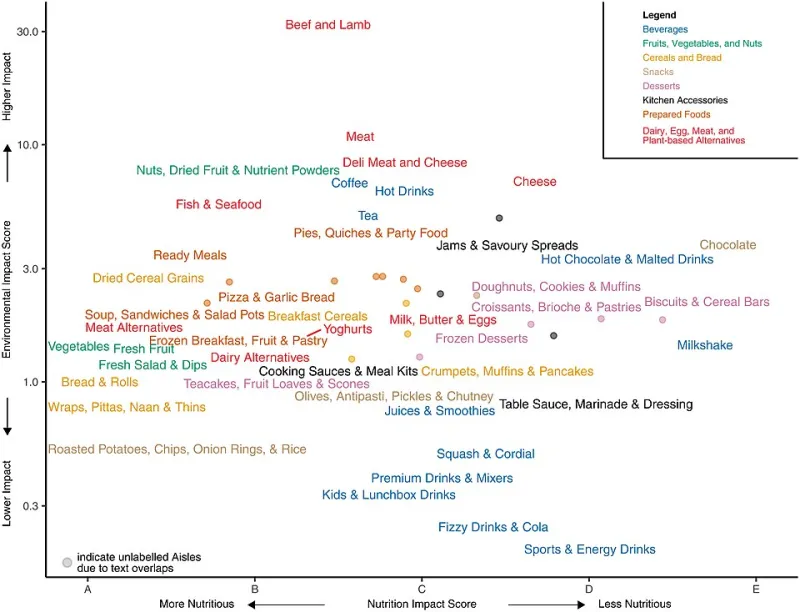
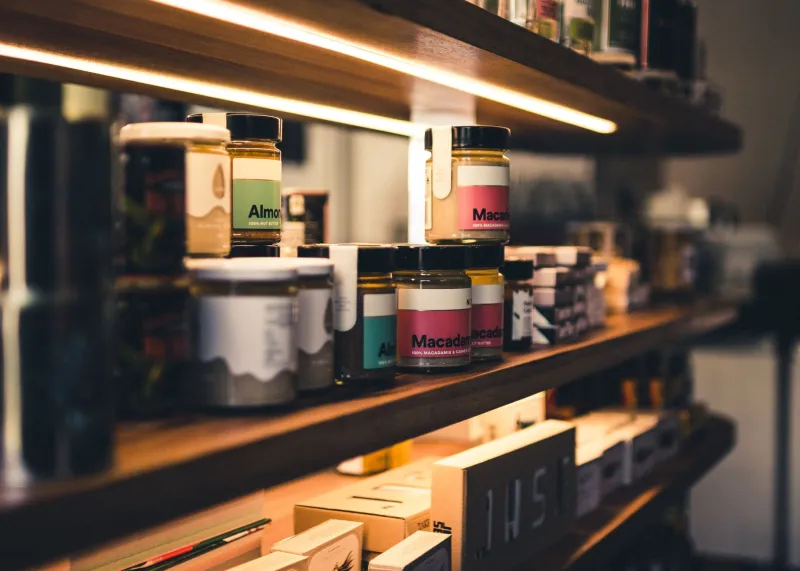
Walk down any grocery store aisle in America and you'll see it everywhere — on chip bags, juice bottles, frozen dinners, granola bars, snack crackers, and deli meat. The word natural sits prominently on packaging, often next to a picture of a sun or a rolling meadow, and it carries an unmistakable implication: this product is somehow closer to the earth, less processed, better for you.
Millions of shoppers factor that label into their buying decisions. Some pay a meaningful premium for it. And almost none of them know that the word, from a regulatory standpoint, means almost nothing at all.
The Regulatory Gap Nobody Talks About
The U.S. Food and Drug Administration oversees food labeling in this country, and it has spent decades wrestling with the word "natural." As far back as 1991, the agency acknowledged the term was widely used and frequently misunderstood. It asked for public comment. It opened formal dockets. It considered defining the term. And then, repeatedly, it declined to finalize anything.
 Photo: U.S. Food and Drug Administration, via www.vhv.rs
As of today, the FDA has no formal regulatory definition for "natural" on food labels. The agency's informal policy — which it has described in guidance documents but never codified as a binding rule — suggests the word shouldn't be used if a product contains added color, artificial flavors, or synthetic substances. But that's a suggestion, not a standard with enforcement teeth. There is no certification process, no third-party verification, no list of prohibited ingredients that manufacturers must clear before printing the word on their packaging.
The USDA has a slightly more structured policy for meat and poultry specifically, requiring that products labeled "natural" be minimally processed and contain no artificial ingredients — but even that standard doesn't address how the animals were raised, what they were fed, or what farming practices were used.
For everything else in the grocery store, the word is largely self-regulated. Companies decide on their own whether their product qualifies.
How That Ambiguity Became a Marketing Goldmine
Precisely because the term is undefined, it became enormously useful. A food company doesn't need to reformulate its product, change its supply chain, or pass any audit to call something natural. It just needs to make a judgment call — and given that the word reliably increases consumer trust and willingness to pay, the incentive to use it is obvious.
Research by the Consumer Reports National Research Center found that a majority of American shoppers believe "natural" on a food label means the product was produced without pesticides, artificial ingredients, or genetically modified organisms. In reality, none of those things are required. A product can contain high-fructose corn syrup and still be labeled natural. It can be made with crops grown using synthetic pesticides. It can include GMO ingredients. Courts have repeatedly been asked to settle lawsuits over these exact questions, with inconsistent results, because there's no clear legal standard to apply.
 Photo: Consumer Reports National Research Center, via s7-recruiting.cdn.greenhouse.io
Food companies have also been creative about where they place the word. "Made with natural flavors" sounds wholesome, but the FDA's definition of "natural flavor" covers an enormous range of chemically derived substances — as long as the original source material was plant or animal based, the processing method doesn't disqualify it. Vanilla flavor derived from a complex industrial extraction process can still be called natural. Consumers reading that label have no way of knowing what they're actually getting.
The Labels That Actually Mean Something
This doesn't mean all food labels are meaningless — it means you have to know which ones carry actual regulatory weight.
USDA Organic is the most meaningful certification available to mainstream shoppers. It requires third-party verification, prohibits most synthetic pesticides and fertilizers, bans GMOs, and sets specific standards for animal welfare in livestock operations. It's not a perfect system, and it has critics, but it is legally defined and enforced.
 Photo: USDA Organic, via img.freepik.com
Non-GMO Project Verified is a private certification with its own testing and verification process, focused specifically on genetically modified ingredients. It doesn't cover pesticide use or other farming practices, but it does mean something specific.
Certified Humane and similar welfare certifications address how animals were raised, which USDA Organic alone doesn't fully cover.
"Natural," by contrast, has none of that infrastructure. It's a word on a box.
Why the Label Persists
The FDA has opened the question of defining "natural" multiple times, most recently in 2015 when it again solicited public comment after a wave of consumer lawsuits. That process produced thousands of responses and, eventually, no new rule.
Part of the difficulty is definitional — what does "natural" even mean in the context of a food supply that involves extensive processing at every level? Part of it is industry pressure from manufacturers who benefit from the current ambiguity. And part of it is that the FDA's resources and regulatory bandwidth are genuinely stretched, making voluntary labeling standards a lower priority than food safety enforcement.
In the meantime, the label keeps selling products. A 2019 study in the journal Food Quality and Preference found that consumers consistently rated products labeled "natural" as healthier, even when the ingredient lists were identical to unlabeled versions. The word does psychological work that the facts don't support.
The Takeaway
The next time you reach for something labeled "natural" at the grocery store, the honest question to ask is: natural compared to what? The word has no legal definition, no required verification, and no enforceable standard behind it. If you're trying to make an informed choice about what's in your food and how it was produced, look past the front-of-package claims to the ingredient list — and for anything that genuinely matters to you, find out which third-party certifications actually apply.